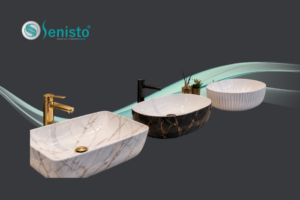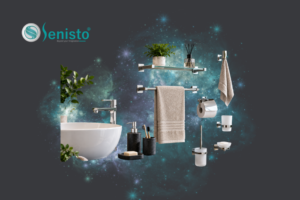
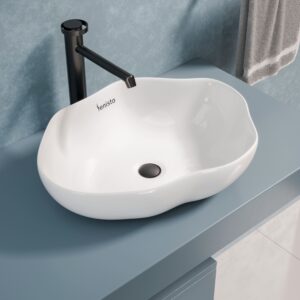
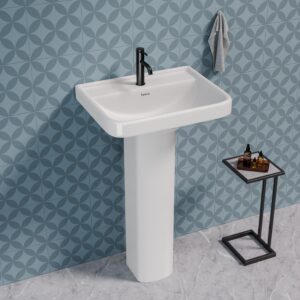
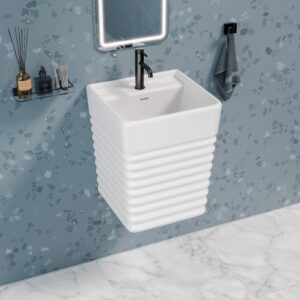
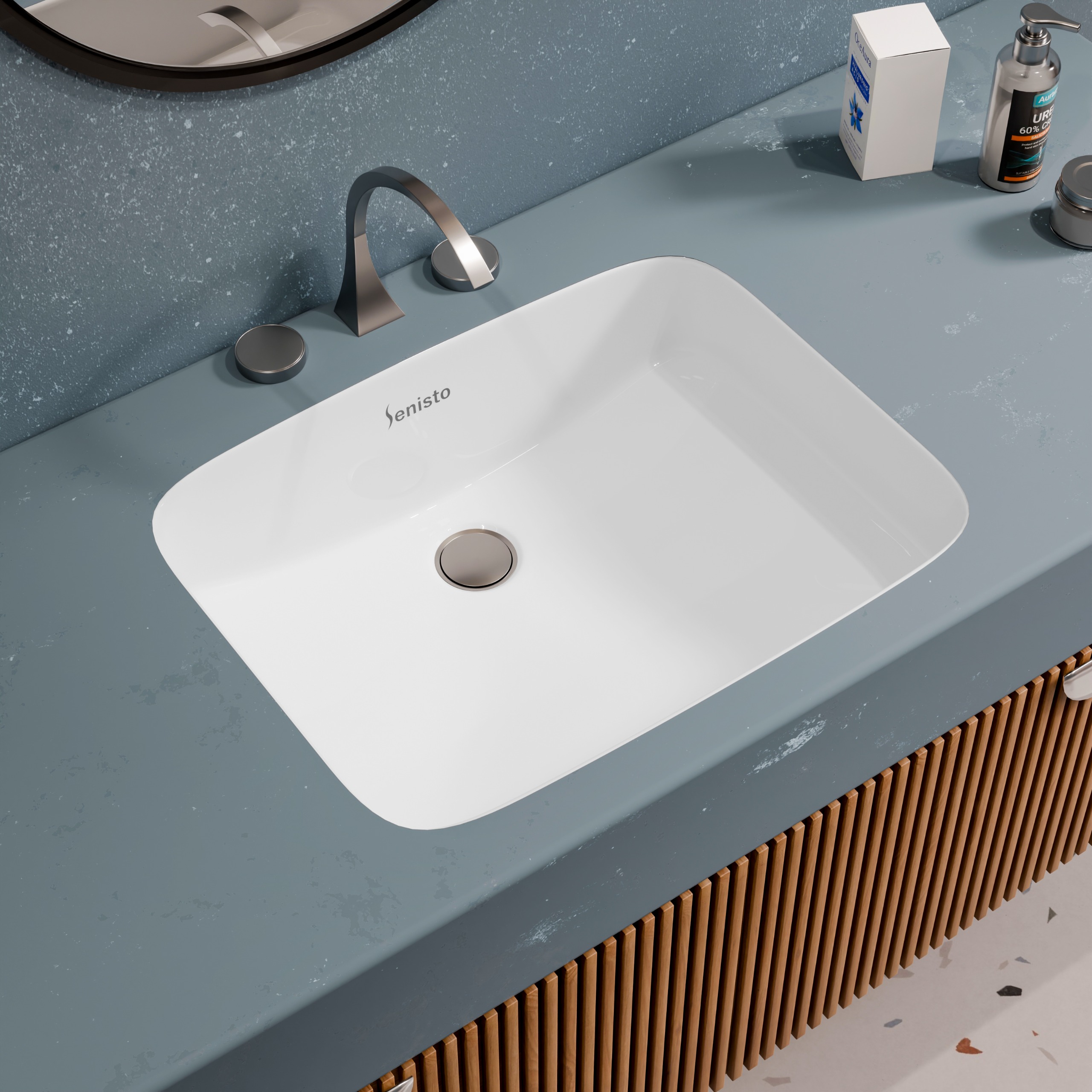
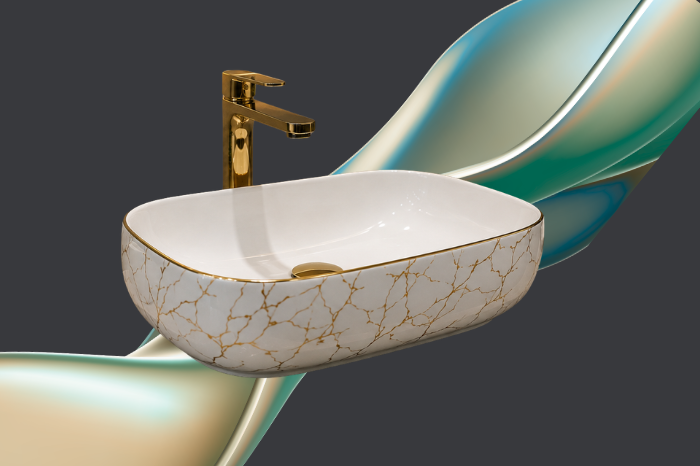
The countertop can no longer just be used to hold items that are essential for daily use in the bathroom; it can actually be one of the most important elements in a contemporary bathroom design. It has become a visual component of the space. A counter wash basin may be considered as an almost sculptural element in the centre of this composition, with its shape, finish and proportions playing with all that which surrounds it.
It is the relationship between basin and countertop that is responsible for the different visual effects of seemingly simple bathroom layouts.
The Countertop Sets the Stage
The basin is seldom presented in isolation visually. Its form is read against the background of the material underneath.
Natural stone can establish an architectural character, and a simple solid surface can yield a more modernistic look. Warm finishes (such as wood) can work well to soften the contrast of ceramic.
The countertop helps create the visual setting for the basin.
The basin’s presence is displayed by contrast
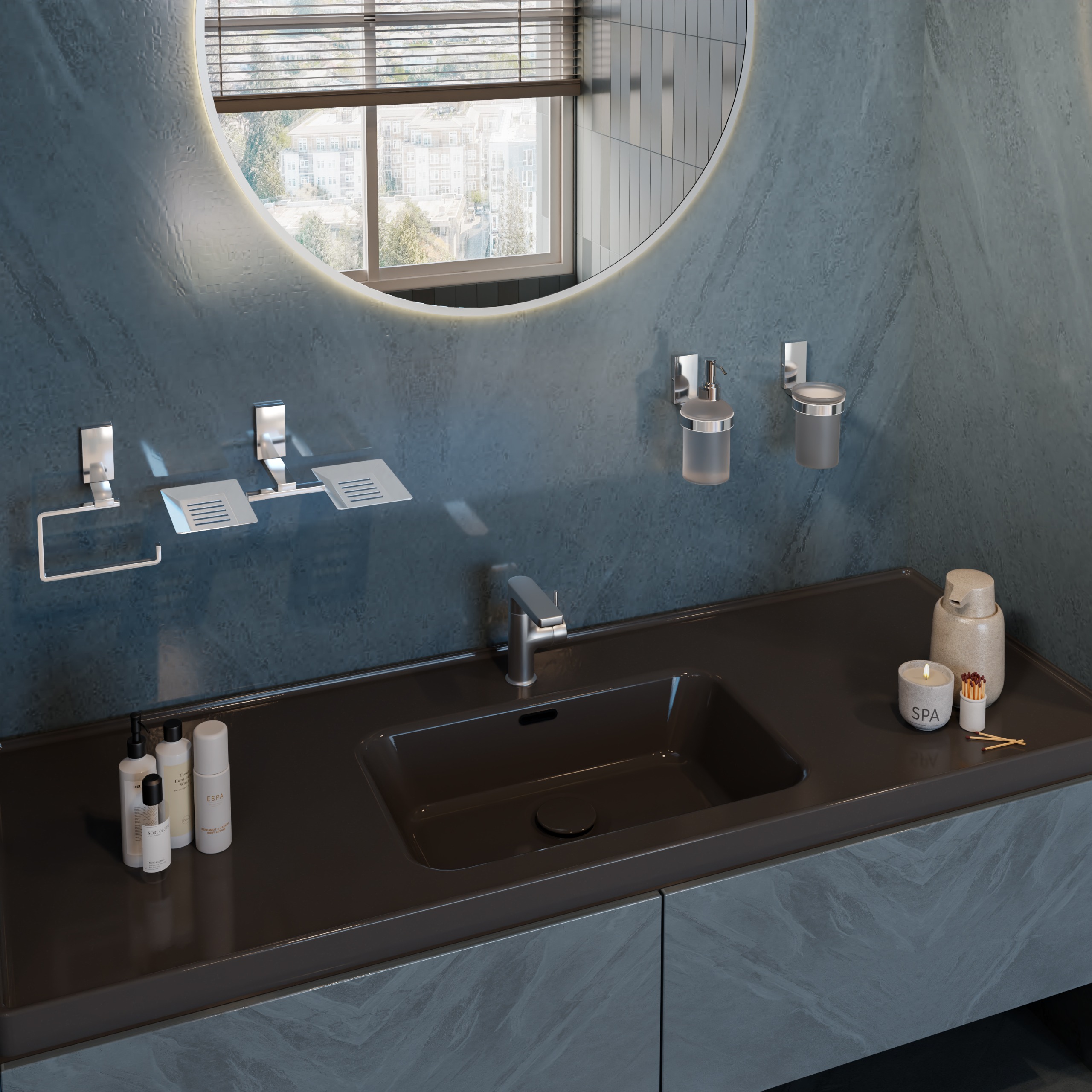
Contrast is a tool commonly employed by designers to draw attention to an element. A light basin on a dark counter can make a bold contrast, and similar colors will result in a more subtle and cohesive look.
Dramatic colour differences are not necessarily required for contrast. Visual difference can also be created through texture, gloss, edge profiles and transitions in materials.
When paired with the proper accents, the basin can be a focal point while not dominating the bathroom.
The proportion determines the composition
The scale of the countertop and basin should be related. A big countertop with a small basin could look like it’s empty, and an oversized basin can take up too much room in the countertop.
The balance is achieved by the width, depth, height, surrounding clearance, and mirror placement.
This is where interior design principles come together with sanitaryware engineering. The effectiveness of the installation is not only related to the basin but also to its relationship with the surroundings.
The Edge of the Counter Matters
Just the edge of a countertop can make a difference in the character of a bathroom. Thin, sharp edges can lend to a minimalist look, while thicker profiles can add to a more substantial look.
The shape of the basin should complement these details, not detract from them.
The difference between a couple of surfaces can create a very noticeable impression on the overall look of a vanity.
Texture is the addition of a second layer
While colour itself provides one aspect of contrast, texture provides another. Visual depth can be achieved with a smooth ceramic surface and a naturally textured stone without the need for elaborate decoration.
Also, matte and shiny surfaces can reflect light differently over the course of the day.
These material relationships can make a functional counter wash basin into a more well-rounded interior component for a counter wash basin.
The lighting highlights the design
Lighting can make a huge difference to the way a basin and countertop look. The natural light will accentuate curves and surface texture, and the artificial light will draw attention to the basin as a focal point.
Shadows also matter. The area below and around the basin can provide subtle contrasts that show the form of the basin.
Good lighting isn’t just about lighting a wash area; it can show the entire geometry of a composition.
The Mirror Completes the Picture
This is just the countertop and basin of the vanity. There is another layer of visuality above them in the form of a mirror.
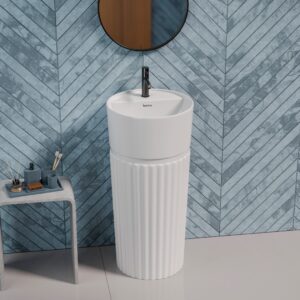
To emphasize continuity, use a rounded basin coupled with a rounded mirror; for tension and character, use contrasting geometric shapes.
The connection between these elements illustrates how the design of a bathroom resembles that of other interior compositions.
Minimalism brings greater significance to each element
Minimalist bathrooms have fewer items vying for attention. With the visual clutter reduced, individual elements stand out.
Under these conditions, the counter wash basin can be a significant design focal point. Its silhouette, finish, and connection with the countertop have more visual weight.
Minimalism isn’t necessarily minimal design. It often translates to that each decision in design becomes more apparent.
The idea of the countertop as part of the identity
The most successful vanity combinations will represent a coordinated, as opposed to a standalone, composition of the countertop and basin.
The materials used, the proportions, the light, the design of the mirrors, the way they are stored, and the other fixtures around them can all enhance the sense of unity.
This helps the basin to blend into the bathroom design instead of just being placed in it.
Final Words
A counter wash basin can be a working piece of equipment, but whether it’s a good or bad look is greatly influenced by the surface underneath it. The countertop serves as the medium for creating proportion, texture, contrast, lighting, and relationships among materials.
If these components are well orchestrated, then it’s more than a washbowl. It is then a thoughtful integration of interior architecture – the basin shaping the form and the countertop providing the context.