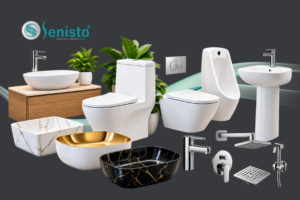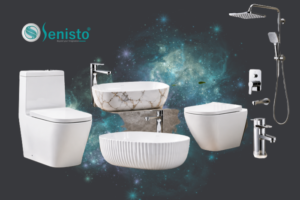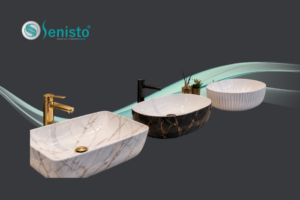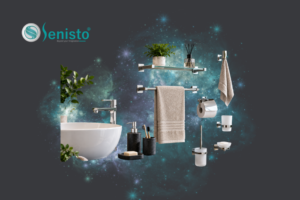
Bathrooms are one of the most used rooms in the house, but they are often built around products, rather than people. As homeowners, architects and designers focus on comfort, movement, accessibility and daily life, the discourse on sanitaryware in India is evolving. A basin or toilet is not just a thing. Its size, placement and design will affect the ease of natural use in the bathroom on a daily basis.
Design Begins With Movement
You can choreograph each bathroom. People walk in, take turns at the taps, turn, wash hands, sit, stand, and walk between the fixtures. These actions can occur without unnecessary hindrance when there is good planning.
Circulation is therefore an important factor to consider when designing sanitaryware. Toilets and basins can be made to feel more comfortable if there is sufficient clearance around them, even in a small bathroom. The goal isn’t just to install as many fixtures as possible; it’s to ensure movement is easy.
Proportion Influences Comfort
Oversized or undersized proportions of a fixture can make for an uncomfortable space. The people who use the product and how they use it are influenced by the following: Basin height, Toilet height, Toilet projection, and bowl depth.
Changes in posture and reach, even if small, can have a significant effect. A basin that is set too low will need to be bent repeatedly, and a basin set too high will be uncomfortable for some consumers. Well-designed sanitaryware takes into account the interaction of the product with the human body.
Accessibility Changes the Definition of Design
Additionally, a human-centred bathroom will take into account people with varying mobility levels, age and physical capabilities. Clearances, fixtures and controls located in more strategic positions can improve bathrooms throughout life stages.
It’s not the clinical appearance that makes something accessible. It can be a part of modern interior design when used with careful planning and proportions.
The Basin Meets Daily Ritual
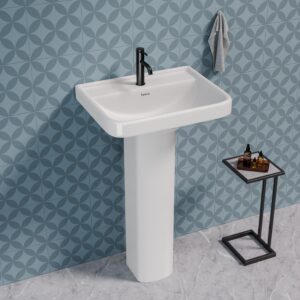
Wash basins are linked closely to repetitive routines. There are fixtures associated with washing hands, brushing teeth and preparing for the day.
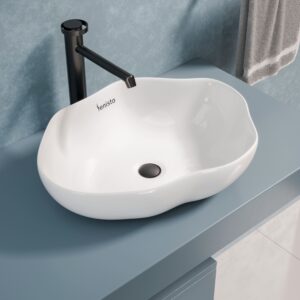
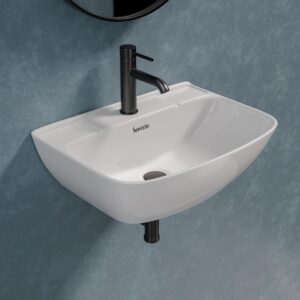
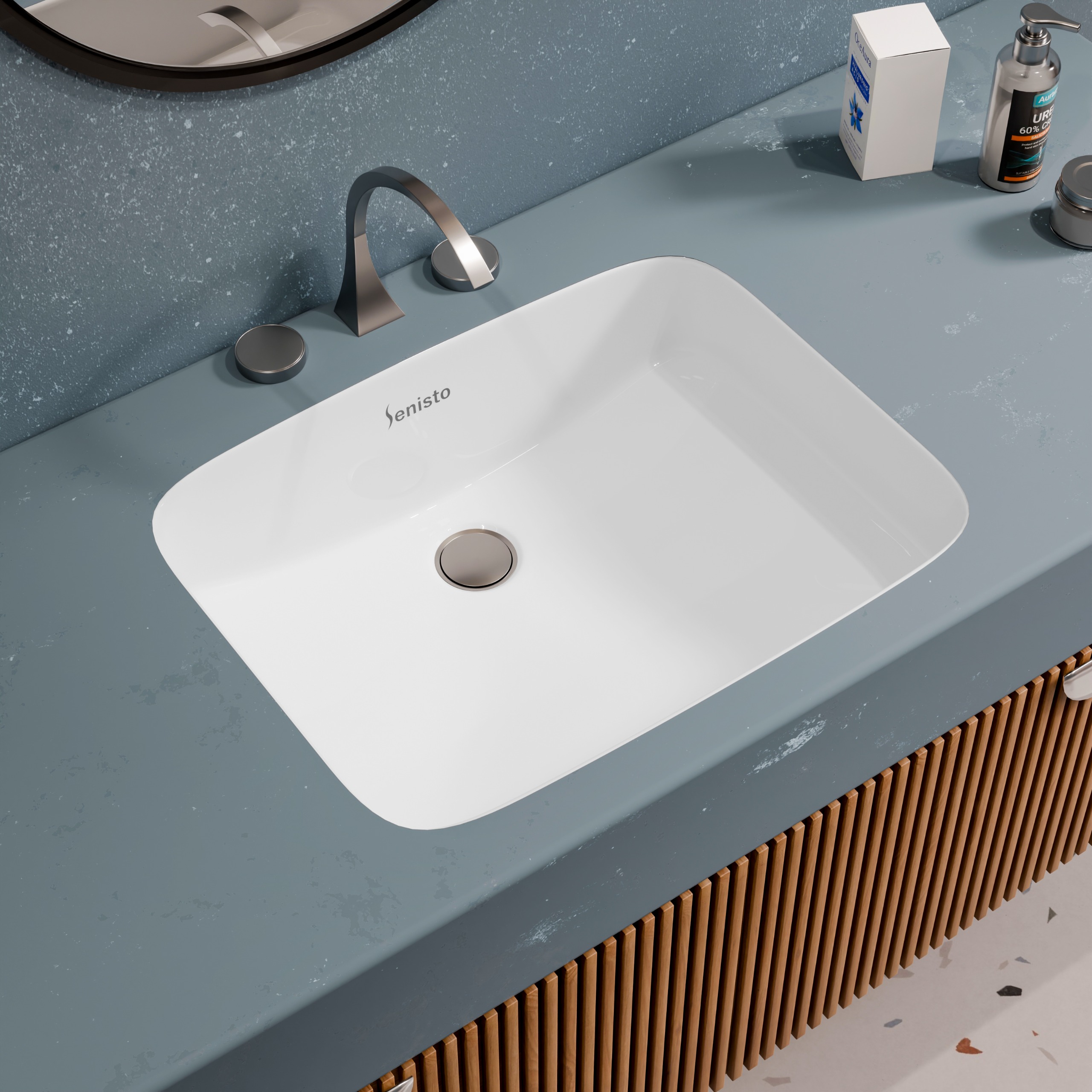
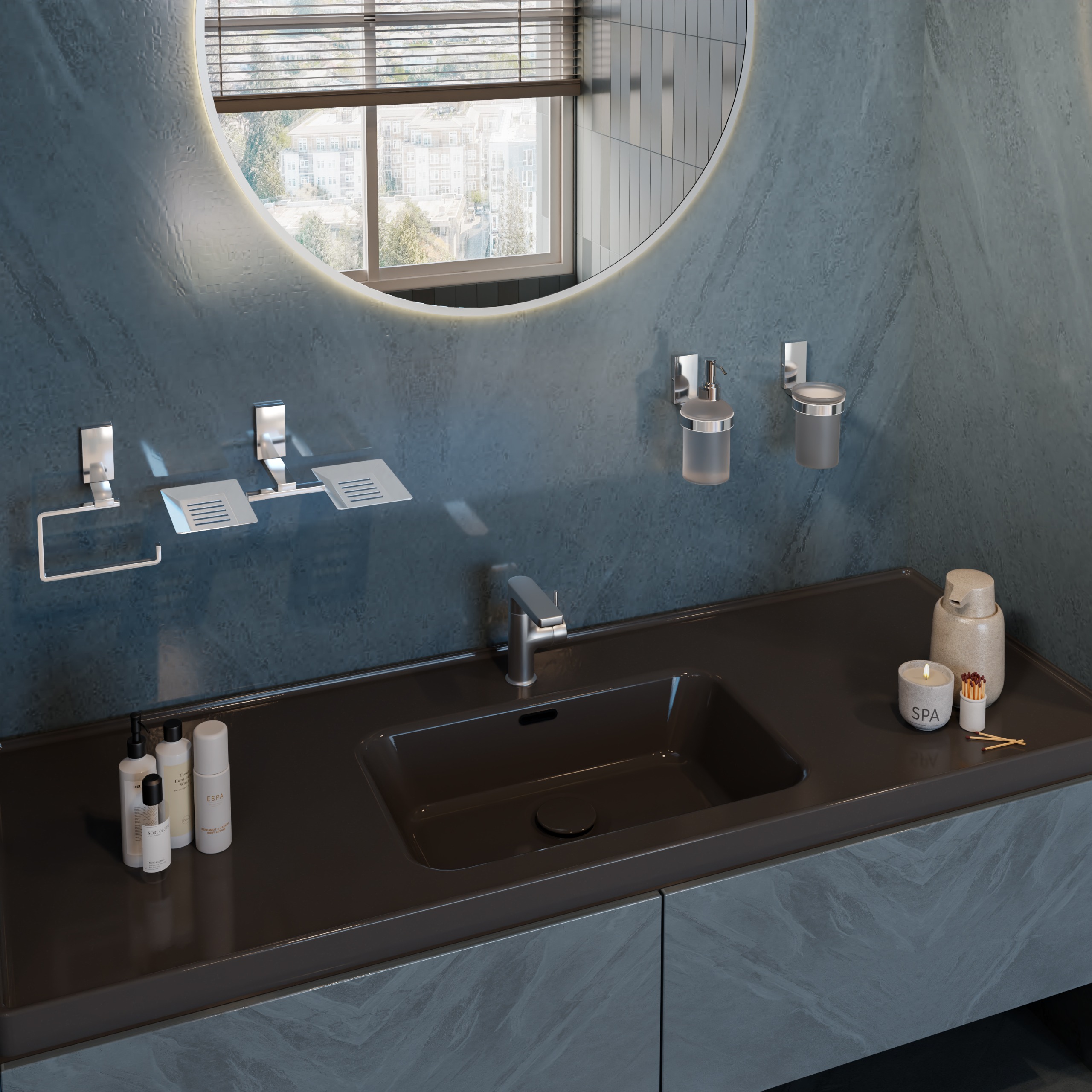
These rites may be affected by the height of the basin, the depth of the bowl, the position of the tap and the space for the counter. A good basin requires no superfluous motion and is sufficiently sized to be used.
The Toilet Is an Ergonomic Object
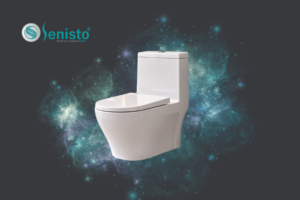
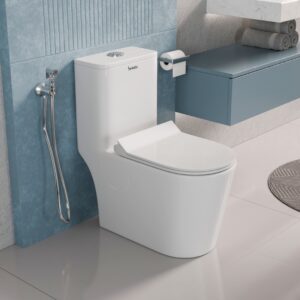
Human interaction also directly affects the design of the toilet. Sit, stand and move can be influenced by seat height, bowl shape and clearance around the bowl.
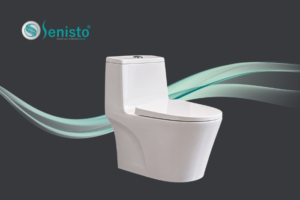
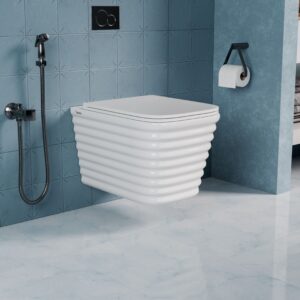
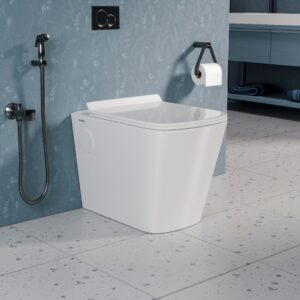
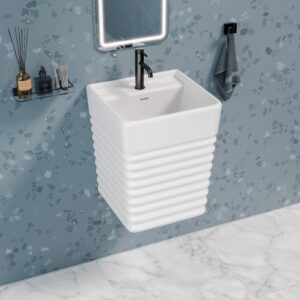
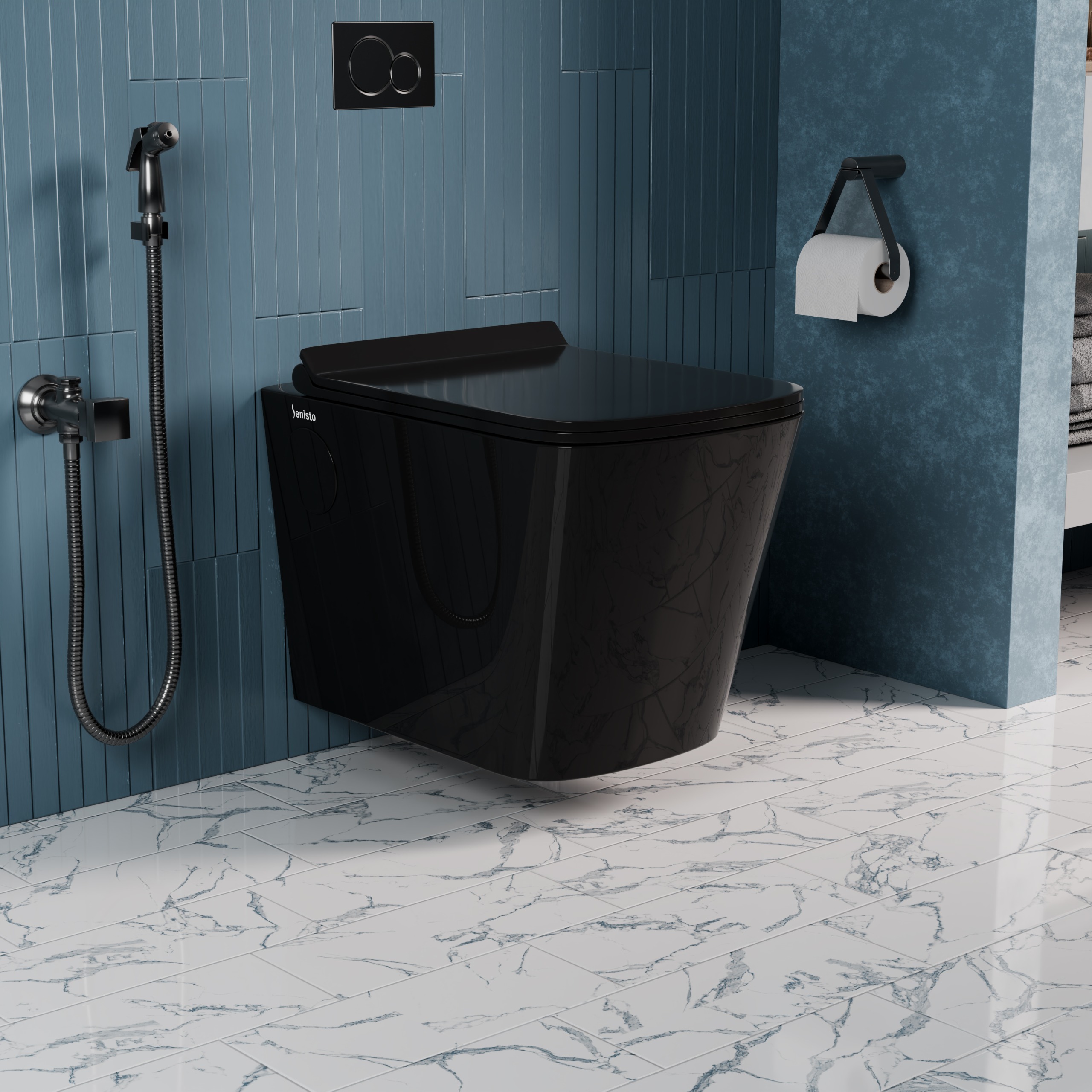
Today, sanitaryware is designed to be both functional and comfortable, with a focus on maximizing space efficiency. Wall-mounted forms can help to save floor space, and integrated designs can help to streamline the look.
The aim is to get the fixture to operate as a natural unit.
Water Must Meet Human Expectations
Water engineering is an invisible issue for users, but it is very visible when it doesn’t function well. An overflowing or slow-draining basin can spoil a straightforward task.
There also needs to be consistent and efficient flush performance. The internal geometry, water distribution and water outlet design are then required to be supportive of expectations created by everyday use.
Human-centred design – technical performance is reliable and intuitive.
Touch Shapes Perception
Bathrooms are sense-inducing places. Taps, handles, seats, shelves and ceramic surfaces are touched over and over.
Perception can be affected by surface texture, edge treatment and operating resistance. Both smooth, well-finished surfaces and uncomfortable, awkward edges or mechanisms can diminish comfort.
Good design becomes invisible in the flow: every point of contact is taken into consideration.
Technology Should Reduce Effort
Smart features such as touchless flushing, sensor-operated taps, and more are changing how people will interact with bathroom fixtures. The effectiveness of their value depends on whether they actually make the effort easier or if they actually help achieve a real purpose.
Predictable technology can augment hygiene and convenience. Technology that muddles things adds another task.
Human-centred innovation questions if a feature makes the experience easier.
Cleaning Is Part of the Experience
The bathroom needs to be cleaned on a regular basis, and the concept of each fixture has an impact on this.
Maintenance can be easier with smooth surfaces, accessible areas and reduced visual clutter. Floating fixtures may reveal additional square footage, and simplified forms can eliminate awkward corners.
Everyday ergonomics is ease of cleaning.
Indian Homes Need Flexible Thinking
Indian bathrooms are not uniform in size, architecture and lifestyle. A compact plan could be important for urban apartments; larger homes can offer more generous plans.
This diversity poses a challenge to the design of sanitaryware because there is no single ideal user. Variability in dimensions, installation patterns and shapes enables homes to design areas to fit their lifestyles.
The Emotional Side of Comfort
The design of a bathroom is more than just about the measurements. It can impact privacy.
A tidy room can minimize messes and help keep things under control. Gentle curves, proportionate surfaces and harmonious curves can help create a more relaxed environment.
Final Words
The human aspect of sanitaryware in India is all about creating a design around actual behaviour, not around products of the bathroom. Naturally, working spaces are impacted by movement, posture, reach, accessibility, water performance, touch and cleaning.
As expectations change, sanitaryware design is increasingly focused on the people using it. Good fixtures will not require users to adapt. They answer with the proportions, engineering and placement.
Sanitaryware can also help to influence the atmosphere of the bathroom as a human environment every day.