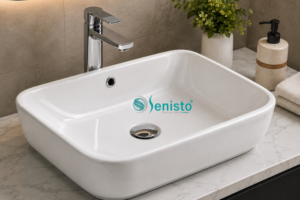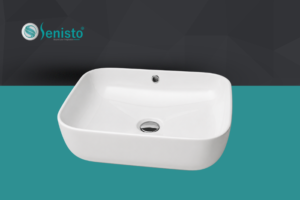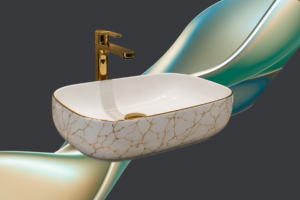
Although it may seem like a simple thing, water can be influenced by a surprisingly exact blend of geometry, gravity, surface texture, flow rate and drainage when it finally reaches a bathroom basin. For ceramic basin manufacturers, it’s one of the considerations involved in creating a product that is easy on the user in everyday use. The basin isn’t just a receptacle for water; it’s a form that gently escorts it along its sides from point A to point B.
This makes for an interesting crossover in fluid behaviour and ceramic design.
Each drop follows a route
As water flows into a basin, it will start to change its shape immediately. How water is distributed around the surface is affected by curves, slopes, depth and location of the drain.
A proper basin design promotes a predictable flow of water, not random flow.
The geometry is made invisible.
Gravity is the first designer
Water will always flow downhill. This simple physical function is applied by the basin manufacturers in the design of the internal profile of a basin.
The slope must be large enough to allow sufficient drainage, yet aesthetically and ergonomically pleasing.
The shape of the curve may thus have a subtle effect on the water draining from the basin.
The form of the bowl is important
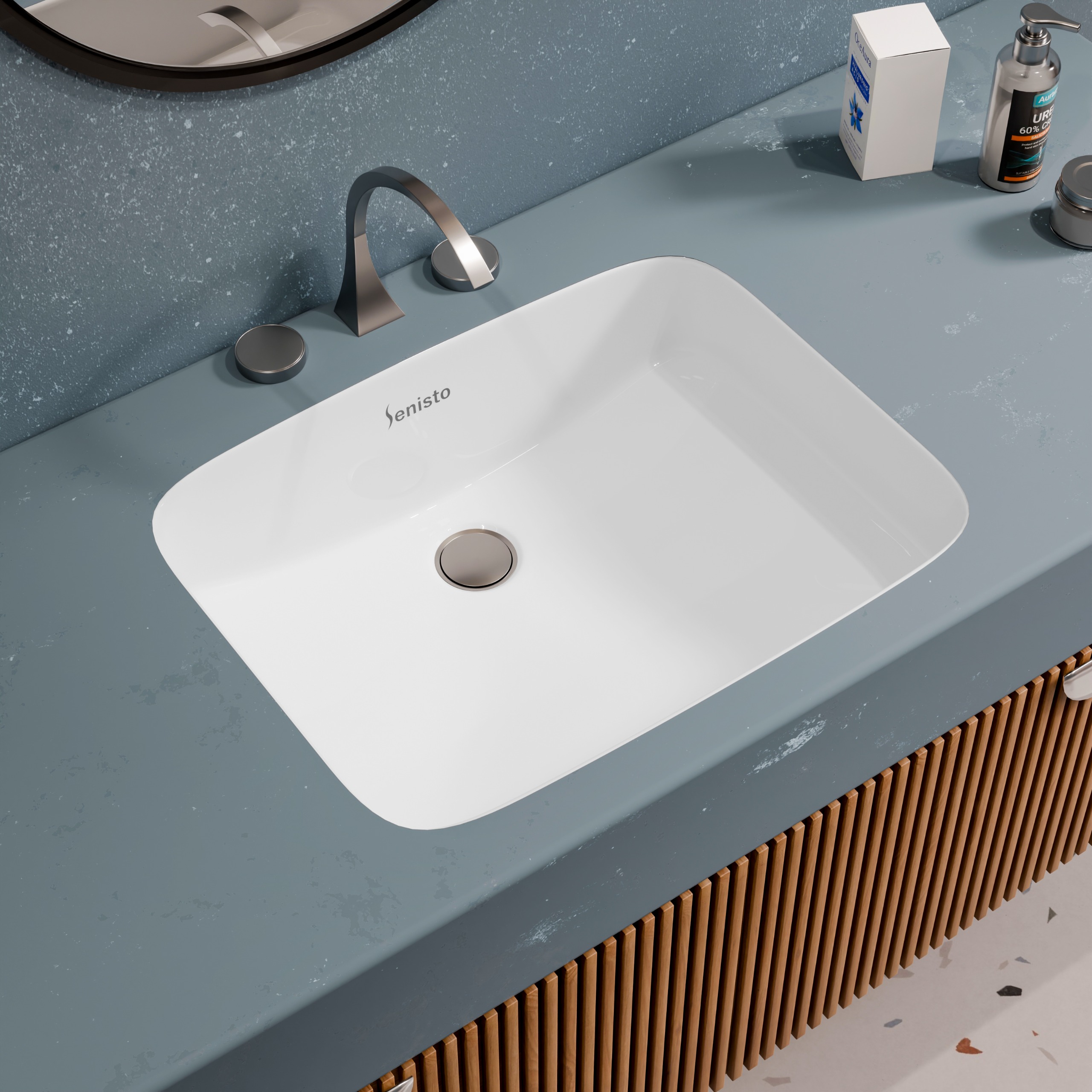
A basin with shallow, wide contours is different from a basin with deep, smooth contours. Water distribution is dependent on the relationship between width, depth, curvature and the position of the drains.
These dimensions are for ceramic basin manufacturers to consider when trying to achieve multiple goals: ease of use, aesthetics, drainage, splash control, and ease of clean-up.
The optimal form thus is a combination of the various physical needs.
Splash Is a Design Problem
Fast-moving water can cause unnecessary splashing when it hits a surface. This behaviour can be affected by the angle of the water entering the basin, the distance between the outlet and the surface of the basin, and the shape of the area around the outlet.
Carefully considered forms can help to minimise unwanted turbulence.
The aim is not to prevent movement of water but to control its movement.
Surface Finish: The Journey
The behaviour of water is also influenced by the surface of the ceramic. A smooth, well-finished surface can help to guide water to flow evenly through the drainage area.
Irregularities on the surface can disrupt the flow and may also make cleaning more challenging.
That is why it is not just a matter of appearance; quality of surface and glazing are important.
The Drain Becomes the Destination
The end of the water’s trip in the basin is the drain. It must be located at the correct position, with the correct slope and in relation to the basin profile.
In the absence of surrounding geometry that effectively guides water, small volumes may be left on the surface.
This should therefore be taken into account for good basin design, and the whole path must be designed rather than just the basin or just the drain.
Water and Human Interaction
Usually people do not just let the water run down into a basin. Hands can be under the water, there can be items placed in the water, and the water can hit various parts of the surface.
Thus, real-world use is a critical factor.
The basin must be designed to include human and expected fluid dynamics.
This is the Proportional Control
The size of the basin has an impact on its appearance, but also the ease of water use within the basin.
Too small a basin may increase the risk of splashes; too deep can impact access and use.
Proportion is, in short, the overlap between water behaviour and visual design for ceramic basin manufacturers.
A variety of forms produce a variety of water stories
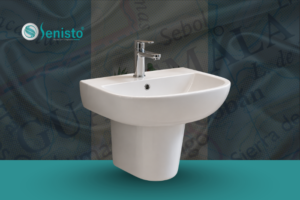
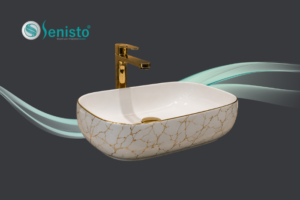
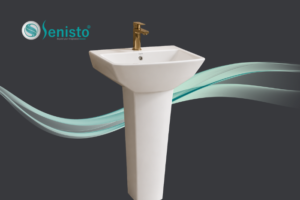
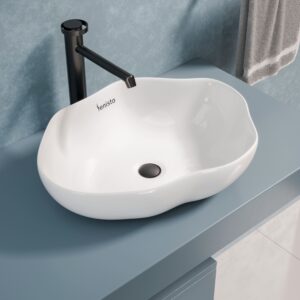
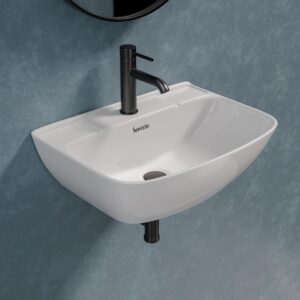
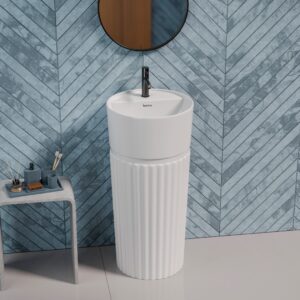
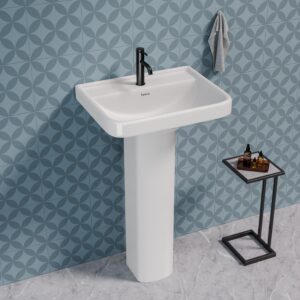
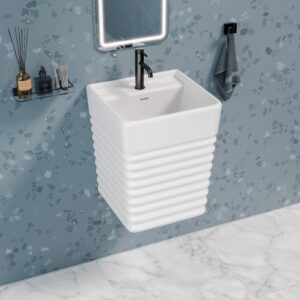
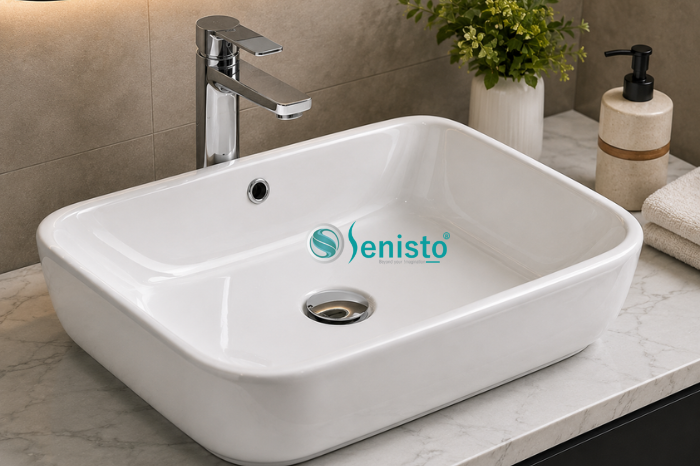
The relationships between the user, water outlet, basin surface, and drain can vary depending on the type of basin used, whether it be a countertop basin, pedestal basin, wall-mounted basin, or semi-recessed design.
The form may alter the physical experience of the category without altering the category itself.
This allows manufacturers good freedom to design a product based on various bathroom scenarios.
Digital Design Predicts the Flow of Water
The use of modern design tools can aid engineers to analyse the basin geometry before physical production. Digital modelling enables evaluation of various curves, dimensions, drainage layouts, etc. during development.
These can minimise iterations and enable manufacturers to make more systematic changes to their design.
But physical testing continues to be relevant as real water performance can provide information that isn’t fully understood in digital models.
The hidden engineering in everyday life
Rarely does the water movement in the most successful basin designs require a user’s consideration. The water freely flows where it goes, the surface is easily maintained, and the basin performs on its own.
It seems simple, but actually only careful engineering makes it seem so.
The choreography is effective, just because it’s easy.
Final Words
Water handling is essentially about directing the flow of water, which naturally moves towards the ground. The path that the water travels is affected by basin geometry, curvature, surface finish, the placement of the basin drains, the dimensions of the basin, and the control over water splash.
The simplicity of a ceramic form is also an environment that is fluidly designed.
All the curves have a reason, all the slopes affect movement, and all the drains signify a path of travel. Water is not just in the basin; it’s doing something in the basin.