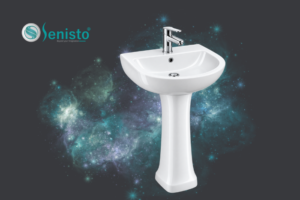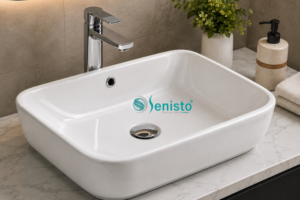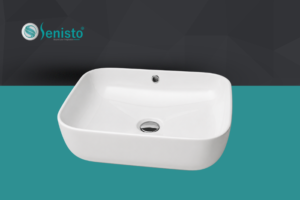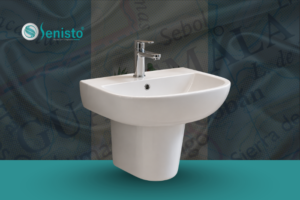
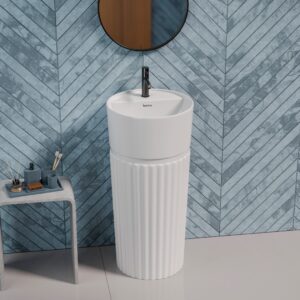
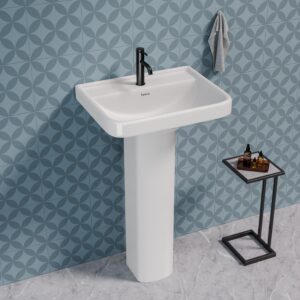
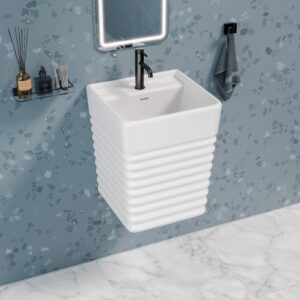
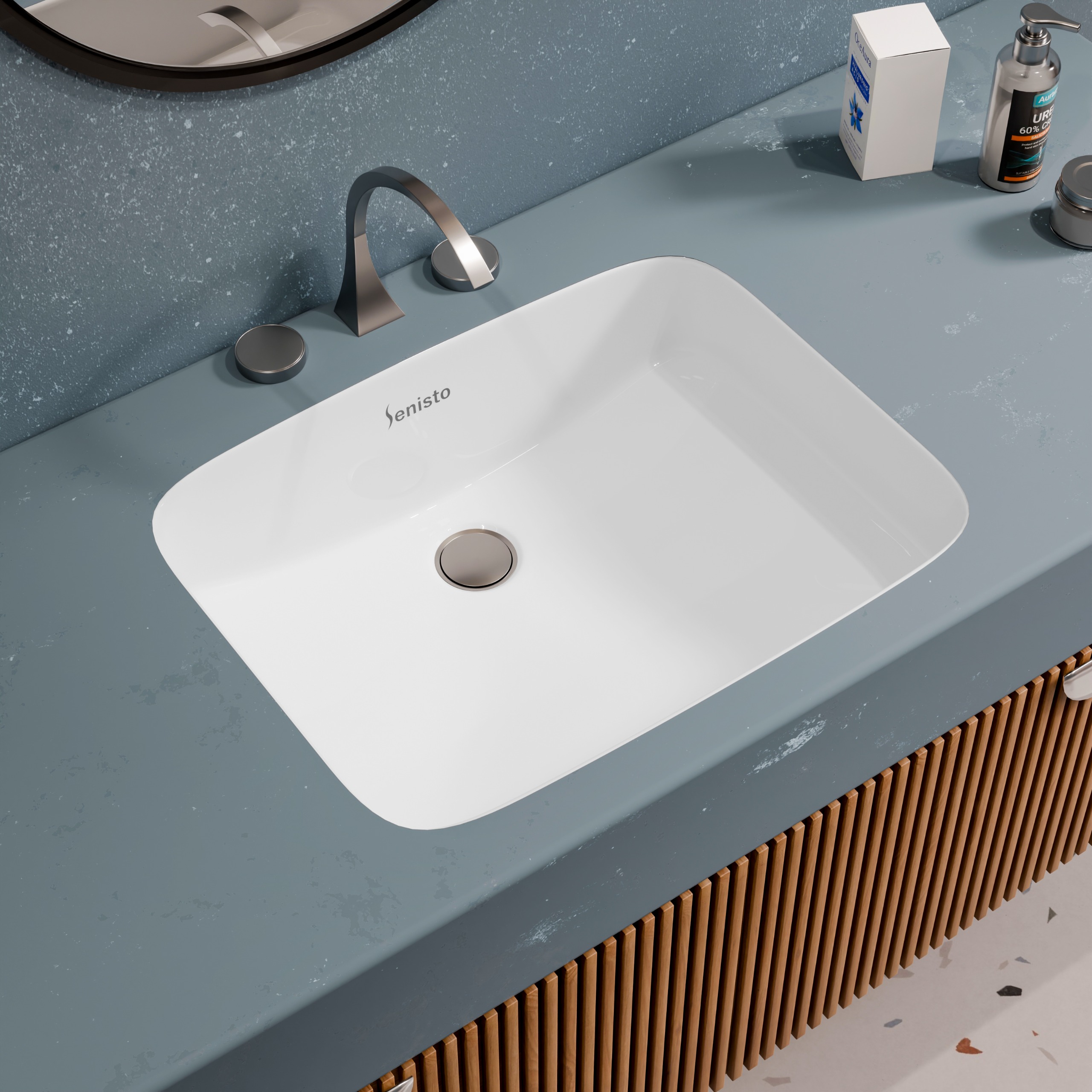
A wash basin is considered a separate type of bathroom fitting, but the structure under it can affect the overall appearance of the installation. The wash basin pedestal is more than just a support. It creates a vertical link between the basin and the floor, affects proportions, and can gently arrange the space that the plumbing is in.
The form is simple, but the role of the architecture is very meaningful.
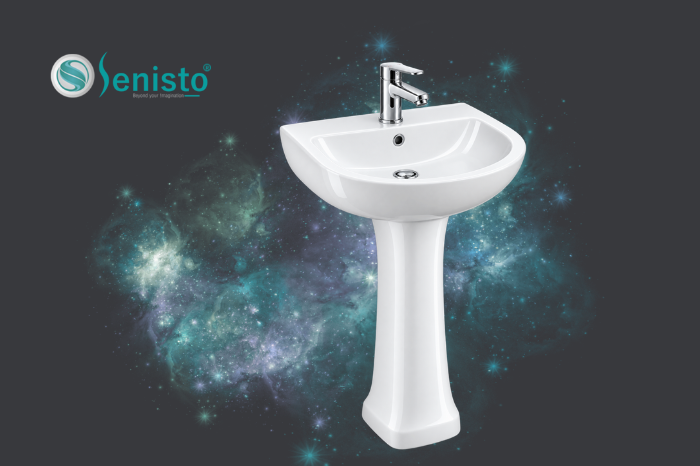
A Column in Miniature
The concept of a pedestal in architecture is precedent to the basic idea. The purpose of columns has been to support weights and to produce vertical rhythm in a space.
A wash basin pedestal acts more practically as the “visual” function. It can be used to hold the basin in place and to establish a clear horizontal and vertical reference between two architectural planes (floor and wall).
The outcome is a structure-anchored fixture.
Verticality Changes Perception
Horizontal elements tend to draw attention to width, vertical elements to up and down.
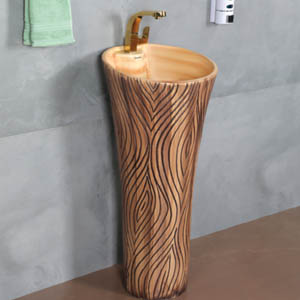
This vertical emphasis is introduced by a pedestal under the basin. It can create a more imposing, symmetrical or substantial appearance, depending on its scale and context.
This is more apparent in bathrooms that are not detailed in architectural features.
Proportion is the secret language
If the pedestal is too narrow, the basin may look heavy and burdensome. If it’s too big, it makes the installation appear cumbersome.
This relationship is important for the width of the basin, the dimensions of the pedestal, the floor clearance, the height of the wall and the surrounding fixtures.
Proportions are not just a matter of aesthetic interest in a wash basin pedestal. It adds to the unity and harmony of the construction.
The floor is transformed into a design
The pedestal leans towards the floor, so there is a relationship between the pedestal and the floor.
The vertical form can be accented or toned down by tiles, stone patterns, grout lines or floor colours. Proper alignment can contribute to architectural continuity.
The pedestal thus does not maintain a standalone position in the room, but rather it remains attached to it.
The Wall Completes the Vertical Line
The other half of the composition is the wall behind a basin. With an appropriate placement of the basin and pedestal, the wall becomes a background element, delineating the entire structure.
Vertical patterns can accentuate the height of the pedestal, and horizontal patterns can provide contrast.
The wall surface surrounding the support structure can therefore have an impact on the perception of the support structure.
Symmetry Creates Order
Because pedestal basins are inherently symmetrical, they can be composed in that manner. A centred basin, balanced mirror and aligned plumbing can create a strong sense of visual order.
In bathrooms with classical or transitional styles, this can be a great option.
Symmetry isn’t required for every interior, but a purposeful use can result in an interior that can be very composed in a small size.
Plumbing runs through the structure
A pedestal is not just a visual component of the architecture. It can also be used to camouflage plumbing connections under the basin.
This makes it more visually appealing, since there are fewer technical details to be seen.
The function of the support structure is thus two-fold; it contributes to the visual composition, and it also helps to organise the practical infrastructure.
Shadows Reveal the Form
The perception of a pedestal can be altered by lighting. Light that is reflected on it can highlight curves, edges, recessions, and a shift in the area between the basin and the support.
The pedestal can be visually distinguished from the surrounding wall and floor through shadows.
This is because light is used as another construction material.
Classic Ideas in Contemporary Bathrooms
The pedestal basin is a design with a long history, but the basic principles of design continue to apply to contemporary interior spaces.
Modern bathrooms can take a fresh approach to the pedestal by incorporating sleeker lines, more compact dimensions and a more streamlined environment.
This can be the perfect mix of a traditional shape and simplicity in contemporary design.
Small Bathrooms Can Benefit From Visual Structure
Not all of the strong vertical features in a bathroom are lost by being compact. A well-defined structure can establish visual order at times.
A wash basin pedestal can set up a central focal point without having to add other decorative features.
Combined with a scale-appropriate, appropriately sized mirror and minimal accessories, it can create a careful, deliberate architectural rhythm.
Support Becomes Design
What’s most intriguing about a pedestal is that it has a main purpose of supporting weight and can also become a very useful addition to beauty.
Its size, slope, form, finish and fit can affect the overall look of the installation.
This is a principle that is repeated throughout good design: good function does not require that structures go away. They can be utilised as components of the visual language.
Final Words
The wash basin pedestal is in a unique position between engineering and architecture. It provides the basin support, helps to hide the infrastructure, attaches the fixture to the floor and adds a vertical rhythm to the bathroom.
While it might be subtle, proportions, symmetry, lighting, floors and wall treatments can all enhance its impact.
A pedestal finally proves that the most basic of support structures can be a part of the architecture when function and form are aligned.