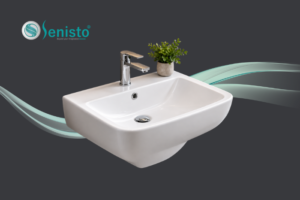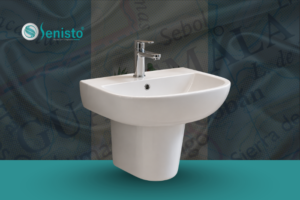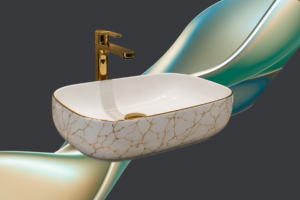
Today, the sense of weight is as important as the actual weight in bathroom design. A fixture can take up a lot of floor space and still not be particularly impressive in a room if it’s placed too low to the ground. That is why the wall-hung wash basin is indeed a very interesting addition to the modern interior. It raises the fixture up from the floor to create a feeling of openness that can give an entire bathroom a lighter, cleaner, and more architectural appearance.
When Function Leaves the Floor
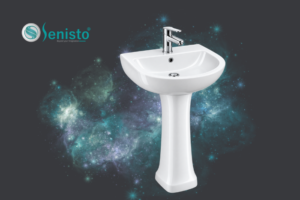
Traditional wash basins have a design that is connected to the floor directly by a pedestal or cabinet. These forms are practical but are able to provide a good visual foundation. A wall-mounted design changes that.
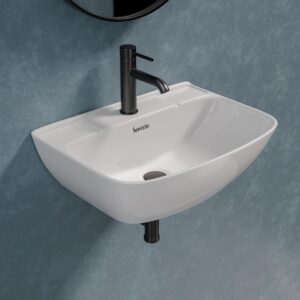
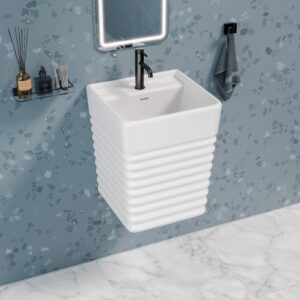
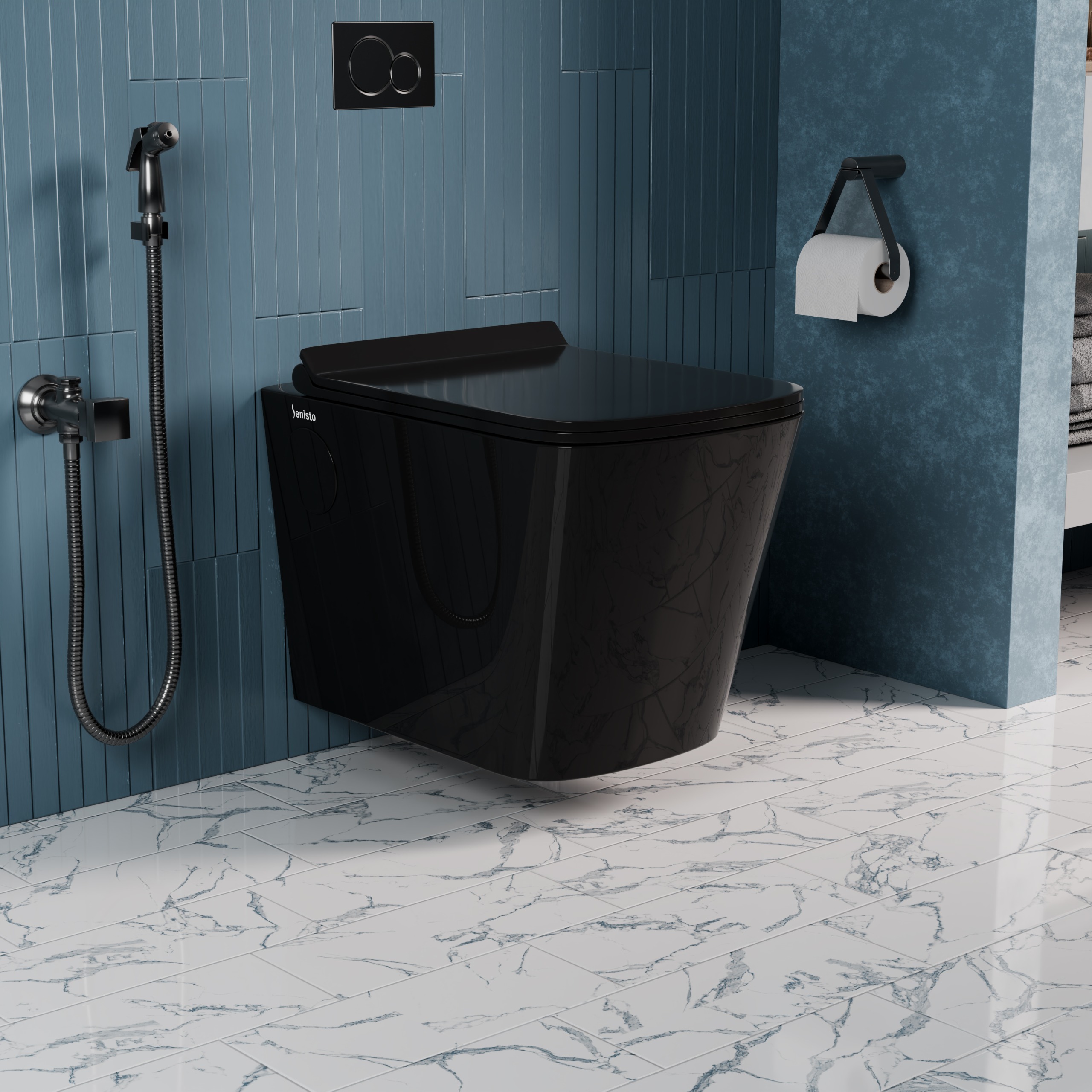
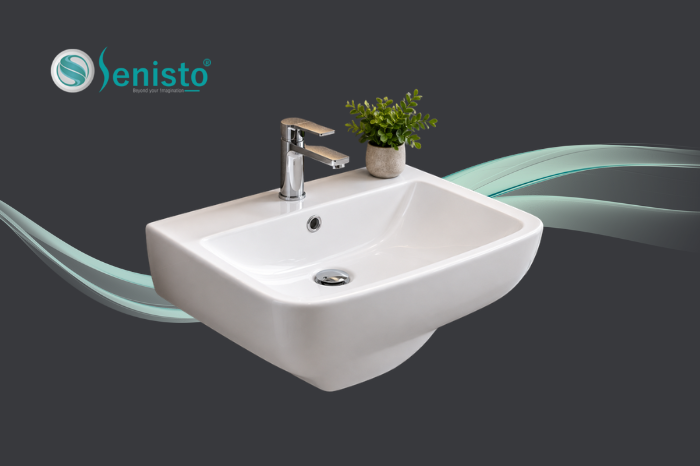
The basin is hanging from the wall, and the floor extends visually under the basin. This continuous surface provides negative space and diminishes the amount of solid forms vying for the viewer’s focus. The fixture still works, but it is not as prominent.
The Illusion of More Space
The design of a room is very much about visual perception. The more visible space is continuous, the more the eye can read the space.
This effect may be particularly beneficial in small bathrooms. A wash basin that is hung on the wall does not expand the size of the room, but the open area under it may give the impression of an open room with a smaller feel of enclosure. Light can pass through the floor more easily and continue to spread across the floor, creating an open space effect.
Geometry Becomes More Important
When a basin is lifted off the floor, it will stand out. The form of the bowl, the thickness of the ceramic body, and the interplay between the horizontal and vertical lines all contribute to a visual composition.
Because of this, it is particularly crucial to consider proportionality. A basin that extends too far will hinder circulation, but a well-balanced depth can add some function without cluttering up the wall.
This creates a fixture which feels like a built-in building component.
The Wall Becomes Part of the Design
This also alters the function of the wall itself with the use of a wall-mounted basin. The wall is no longer a back wall but is transformed into an active, structural and visual surface.
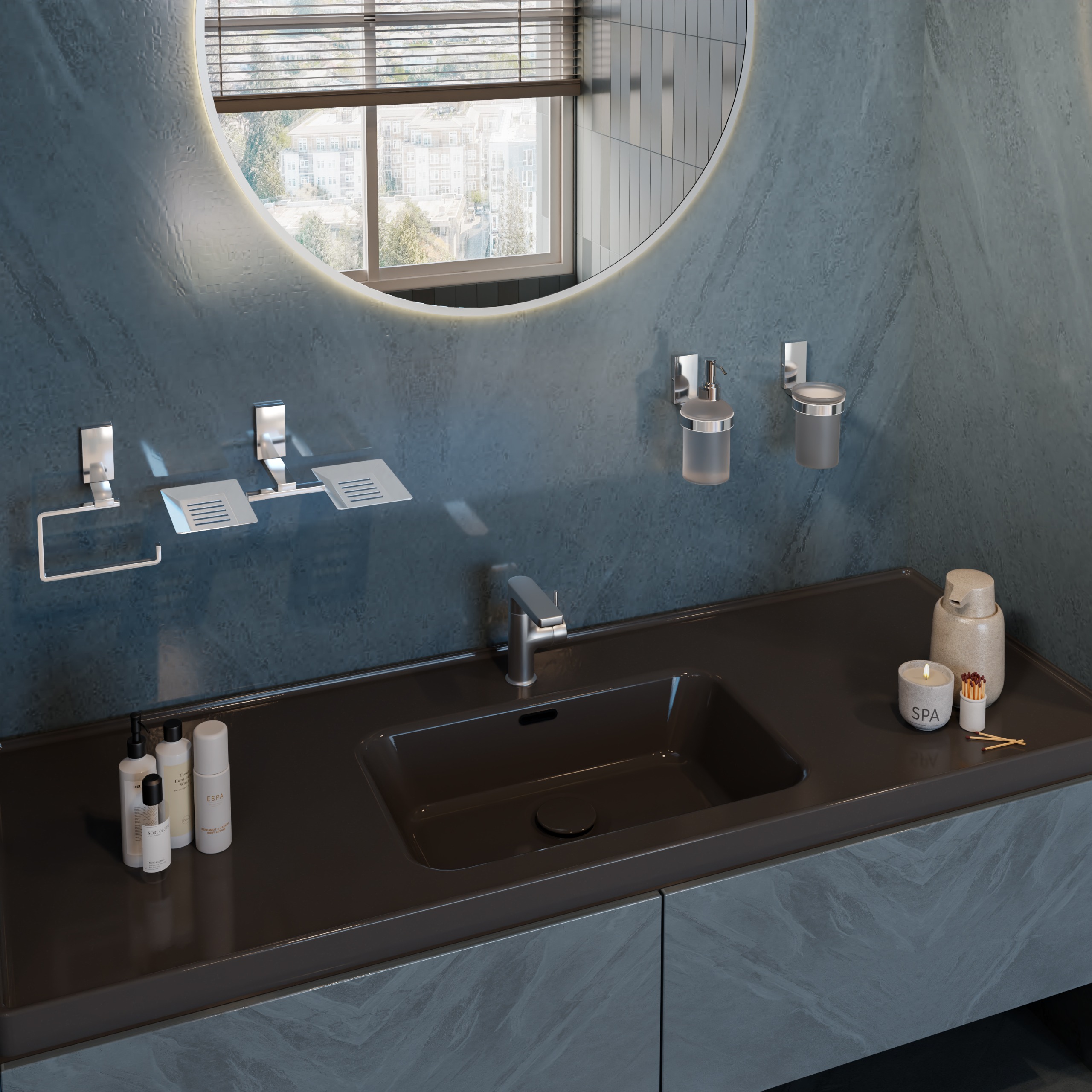
The basin can interact with tiles, stone, paint, lighting and mirrors. The fixture can be positioned parallel to other surfaces or contrasted with them. The lower space is open, and wall treatments can be more easily valued within the overall composition.
Minimalism Through Visual Reduction
Minimalist interiors are 100% about subtraction as well as addition. Eliminating unessential visual elements can produce relaxation without loss of functionality.
This is exactly what a wall-mounted wash basin has as its base. The bottom section is free of a large pedestal, and there is no obstruction between the basin and the surface of the floor.
The design is lighter because less is being communicated visually.
Cleaning Becomes Part of the Experience
The open floor area is not only useful for aesthetics. It can also help to simplify routine cleaning.
There are fewer tricky edges and closed areas on the fixture when it has a pedestal base that extends to the floor. The visible floor can be accessed more readily and will help to keep the bathroom looking cleaner.
The beneficial aspect of good design in this case is not the primary focus of the eye. In this case, the benefit of good design is not the practicality that is the center of the visual focus.
Lighting finds more freedom in this custom design
Lighting can make a significant impact on the size of a bathroom. A suspended fixture provides a little variation in shadow, as light reflects off the wall and the floor below it.
Additional lighting beneath the floor can accentuate the floating look, and natural light may shine through the unbroken floor surface. Such small interactions create an impression that the fixture is less heavy than it is made of.
Light thus plays a part in creating the perception of lightness.
A Better Fit for Contemporary Interiors
The modern bathroom more and more takes tips from quality interior design, hotel architecture and homes. Simple lines, floating furniture and open compositions are now standard languages.
It’s a natural fit for the wall-hung wash basin. Its shape fits in with modern concepts of simplicity while incorporating flexibility for all bathroom dimensions and interior design.
It can fit in well in a small bathroom or a large modern one.
Installation Demands Precision
The floating basin will seem like a no-brainer, but you have to do it carefully. The strength of the wall, the mounting systems, the plumbing locations, and the finished height all have an impact.
The basin must not be loose, but aligned exactly with other components. If the installation is done the wrong way, the visual balance that makes the design attractive can be compromised.
That’s where engineering subtly enhances the aesthetics.
The Psychology of Visual Lightness
The floating form has a psychological aspect, too. Fanciful objects that seem lighter will make the space look less congested and more at ease.
Bathrooms are a place of routine, hygiene and, more recently, relaxation. A less ‘busy’ space can help create that sense of calm and control.
The basin is thus containing more than just water. It has a shape that is contributing to the emotional nature of the room.
Final Words
The allure of a wall-hung wash basin is not so much what it provides as what it takes away. This opens up the floor space, clears the visual line of sight, and enables the wall and the surrounding surfaces to be seen, which is often difficult with the traditional forms.
The visual lightness is actually the sum of a few ideas: proportion, negative space, lighting, geometry, and thoughtful installation. In a contemporary bathroom design, that’s a key design rule, the idea being that sometimes the largest bathroom is the one that’s just left visible.