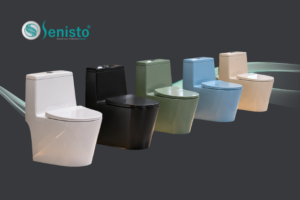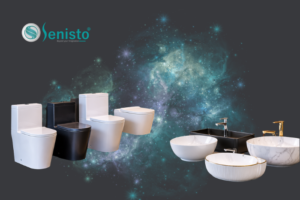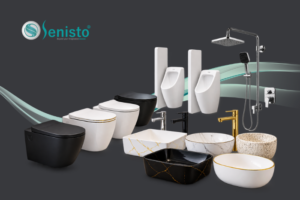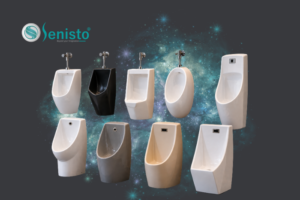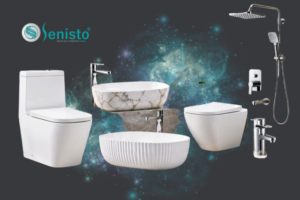
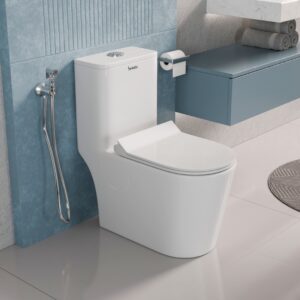
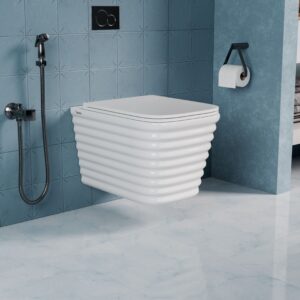
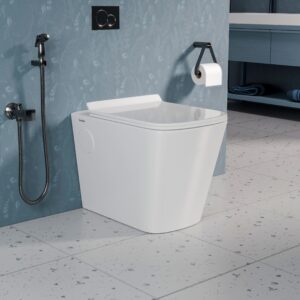
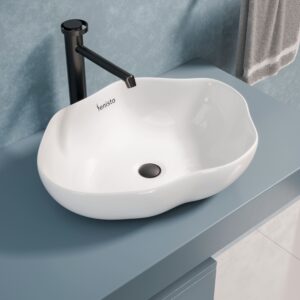
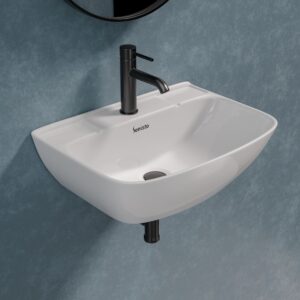
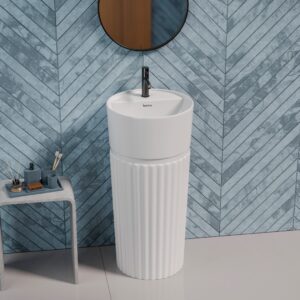
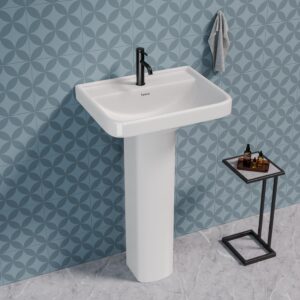

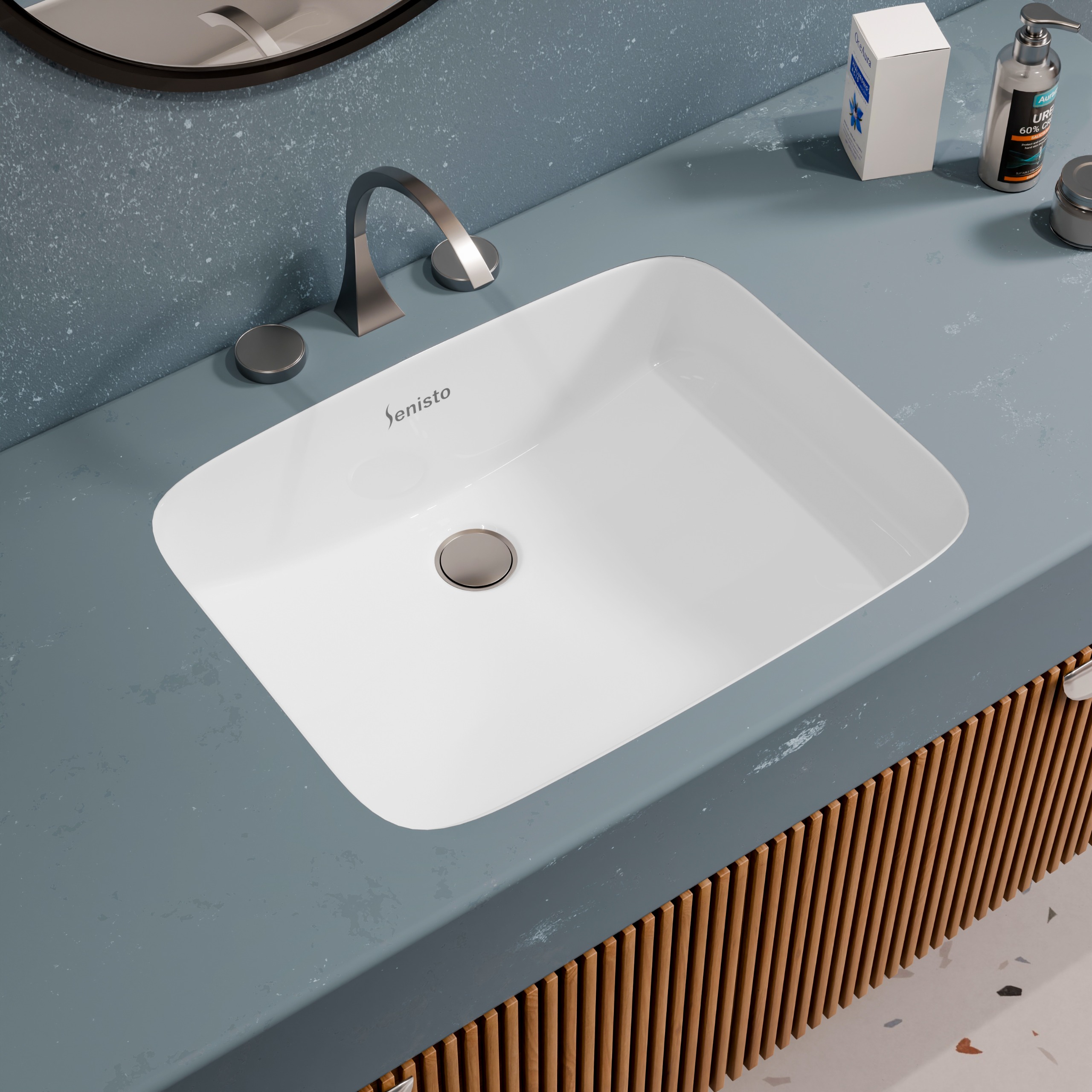
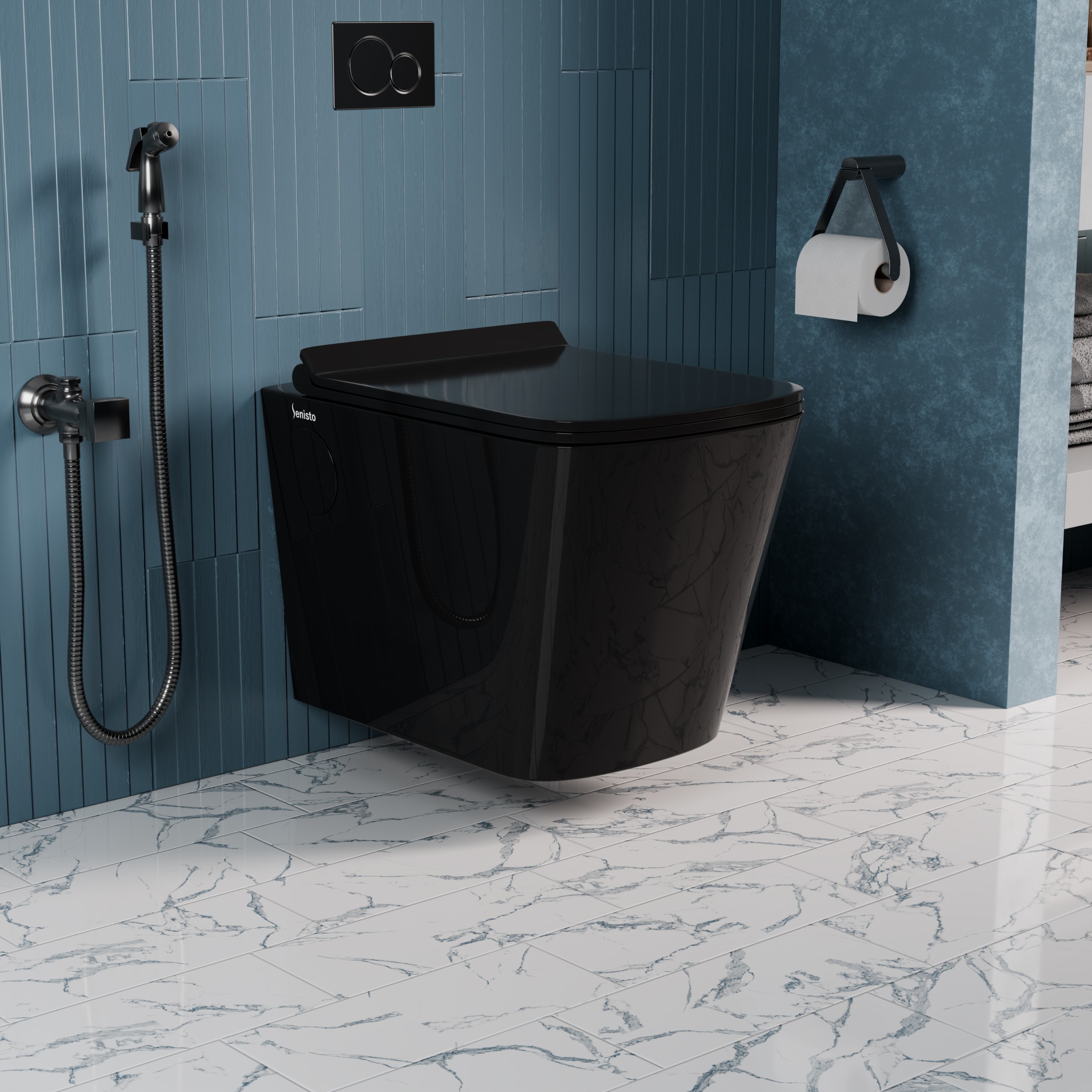
A finished wash basin or toilet is often appreciated for its shape, finish and appearance. But the quality of these products relies on various processes, which most customers do not see. For each completed fixture, there are material choices, engineering, mould making, temperature control and quality checks. This is where a sanitaryware company really starts to make an impact, before the product arrives in the showroom or in a bathroom.
The Science Behind Raw Materials
There are several raw materials which are carefully selected for ceramic manufacturing. To attain the desired characteristics, clay, minerals and other ingredients must be mixed in suitable proportions.
The workability, shrinkage, strength and firing behaviour of the ceramic body depend on its composition. The result can vary even with slight changes in the raw materials.
This is one of the vital functions in manufacturing, in which the preparation of the material is of paramount importance. A stable foundation is established with consistent mixing, moisture control, and material checking for the future manufacturing process.
Mould Engineering Makes Design Possible
The appearance of a product can start with a designer’s idea, but mould engineering takes that idea and makes it possible to manufacture.
The mould is what makes various characteristics important, including the depth of the basin, edge profiles, curves, proportions and mounting dimensions. To create an effective mould, design needs to be understood along with the behaviour of the ceramic material.
It is more difficult when manufacturers use non-standard forms or complicated features. These designs also should be feasible to manufacture and need to be dimensionally consistent.
Another benefit of regular mould inspection and maintenance is that it helps to ensure the same product has the same shape, even from batch to batch.
Drying and Firing Require Precision
Physical changes take place in ceramic products during drying and firing. Water is slowly removed from the formed part and subsequently subjected to heat treatment to give the material its final properties.
It is important that these stages are carefully controlled. If the drying is not uniform, cracking or deformation can result, and if firing is not consistent, then shrinkage variations, warping and surface defects may result.
In a well-managed production process, temperature distribution, heating rates and conditions for cooling are taken into account depending on the requirements of the product and material.
This is where the manufacturing experience and process monitoring can be particularly beneficial.
The technology of surface finishing
Glaze is what adds much of the identity of sanitaryware. It adds to the colour, smoothness and aesthetically pleasing look of the product.
But there’s more to getting a consistent finish than just applying a coating. The compatibility of ceramic body and glaze during firing. The final surface is affected by the application method, the composition of the material and temperature regulation.
This is what manufacturers need to pay attention to when trying to minimise inconsistencies and flaws in the finish. Surface quality not only matters aesthetically, but also for regular cleaning and maintenance.
Quality Control is at all Times
Final inspection is not sufficient quality assurance. Issues with the final product can be caused when materials are prepared, moulded, dried or fired.
To have a systematic approach to quality control, one has to monitor various phases of the production process. Products are checked for deviations through measurements, dimensional checks and surface inspections.
This also provides a chance for ongoing improvement. If defects occur repeatedly, manufacturers can explore what is causing the defect and make necessary changes to the manufacturing process.
In the case of a sanitaryware manufacturer, this discipline aids in converting manufacturing standards into repeatable manufacturing results.
Engineering Must Understand Everyday Use
The main reason why a sanitaryware product is important is its technical quality: people use it on a daily basis!
The width and depth of a wash basin should be practical and comfortable. Installing and operating a toilet properly. Other bathroom fittings also need to consider their purpose and fit into their environment.
That’s why product development is not all about looks. Design should also consider ergonomics, installation compatibility, and durability and maintenance considerations.
Knowing what users want is crucial for creating designs that appeal to them and are useful.
People Make the Process Work
The use of modern equipment has helped to increase control over manufacturing, but good craftsmen are still an important part of production quality. Well-seasoned teams are familiar with material behaviour, know when something is amiss in the process and are able to handle any surprises that arise.
The synergy between technology and human know-how forms a more efficient production environment. Monitoring systems provide data, and trained personnel analyse the data and make decisions on what action is needed.
Hence, continuous learning and process improvement continue to play critical roles in manufacturing excellence.
Final Words
A sanitaryware company’s work is not only in the production of bathroom fixtures, but also hidden behind the scenes as well. Requires knowledge of material science, mould engineering, thermal processing, surface finishing, quality control and everyday requirements.
The entire process is interconnected, and it impacts the ability of a product to achieve uniform appearance and useful performance and durability. Most of this work is not visible once installed, and is the basis of all efficient and dependable sanitaryware products.