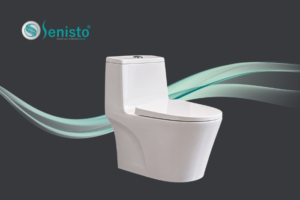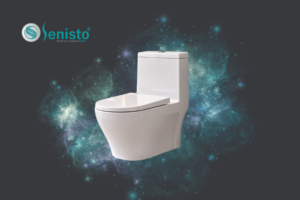
These days, bathroom design is much more than a bunch of fixtures tacked on at the end. The one-piece toilet is visually appealing because the bowl and cistern are a single continuous piece. This minimises visual intrusions and provides a smooth profile. Beyond its looks, it combines engineering, ergonomics, water management and contemporary styling.
One Continuous Form
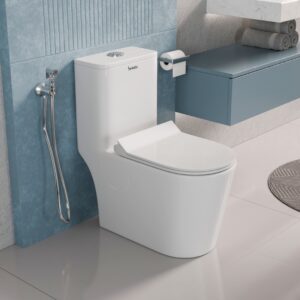
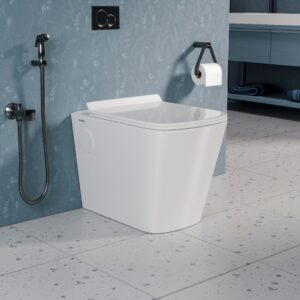
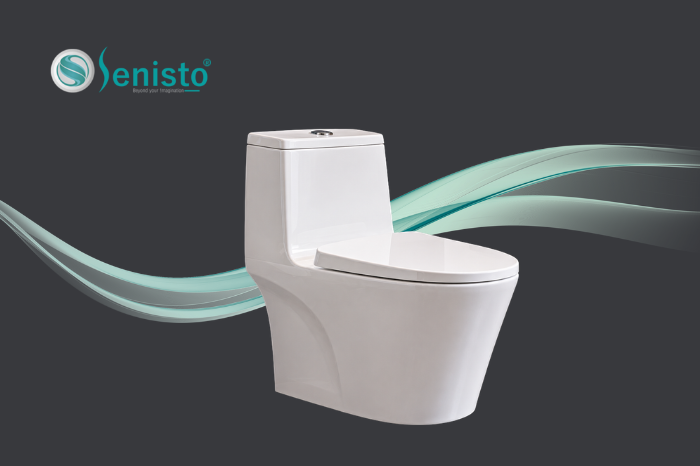
A one-piece toilet is characterised by its single-piece design. There is no obvious separation between cistern and bowl as is usually found in a traditional two-piece design. Here the eye sees the fixture as one unit, adding to a more harmonious look for the bathroom.
This quality is great for minimalist spaces, spaces with fewer visual breaks for calm.
Proportion Creates Balance
Proportion is the basis for a sculptural form. Height, width, depth and the relationship between the bowl and cistern determine how the toilet fits within its surroundings.
A large fixture will overpower a small bathroom, and a form that has no scale will appear out-of-place. User needs are an important factor to take into account, along with the size of the space. The proportions are well-balanced, ensuring the product looks natural in the space.
Curves Soften the Bathroom
There are numerous hard surfaces in bathrooms such as tiles, stone, glass and metal. The sanitaryware is curved for a more feminine visual flow.
Light can move over the surface of a one-piece toilet, especially if it has a smooth glaze, and the contours can direct the light over the surface. Geometric interiors will not be as hard on the eyes for rounded transitions as well.
This provides the fixture with a gentle sculptural quality.
Ergonomics Behind the Shape
A toilet is still an object; it still works. Comfort can be affected by posture, surrounding clearance, seat height and bowl size.
It is important to embed these requirements from conception in the design. A streamlined shape works only if it is easy and functional to use.
The best designs occur when ergonomic choices are made with ease and with no conscious effort.
Ceramic Enables Form
In addition, ceramic enables manufacturers to make flowing profiles while at the same time offering the strength the user demands in a bathroom. However, it is essential to have process control when producing complex shapes on a consistent basis.
The design of the moulds needs to consider the behaviour of the material during forming, drying and firing, as dimensional changes can result. The final surface can also be affected by the glazing and firing conditions.
The precision of the manufacture makes the surface smooth.
Surface Is Part of the Design
It is important that the glazing is consistent to leave the integrated form looking continuous, but colour, gloss and texture differences would break this continuity.
Surface quality has an impact on maintenance as well. The smooth finish may make regular cleaning easier and maintain the fixture’s appearance with frequent use.
Complexity Hidden Behind Simplicity
A one-piece toilet’s simple appearance is a deceptive one, because the simple exterior hides the complex system within. Seals and waterways, as well as flushing channels, must be effective but not conspicuous.
More and more, sanitaryware manufacturers are adapting to this idea: technology is concealed from view, and experiences are made without compromising the technology.
The simplicity of the apparent simplicity is therefore an engineering feat.
Water Flow Shapes the Form
Internal geometry will play a part in flushing performance. The key is to have water routed through precisely designed channels and around the bowl to provide reliable performance.
This means that outer styling and hydraulic design go hand-in-hand. The contours of the bowls and water passages affect the manufacturing and water behaviour.
The design should meet the visual, structural, and fluid requirements for a successful design.
The Space Around It Matters
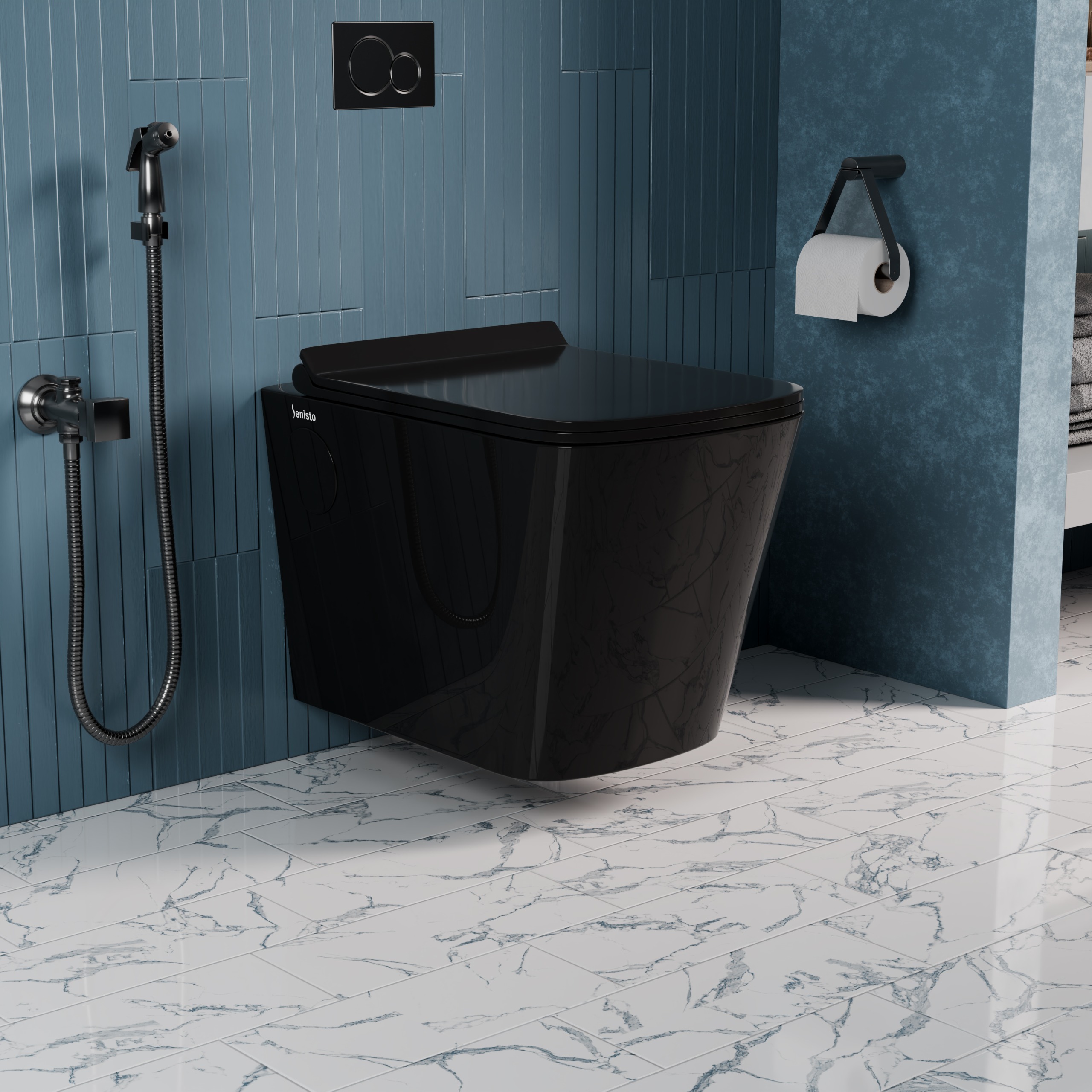
There is no picture of a toilet in itself. Its appearance is affected by flooring, wall finishes, lighting fixtures and nearby fixtures.
A single form can help to create continuity in the modern bathroom, while the surrounding surfaces continue to be expressed. This can provide greater structure and order in smaller rooms to minimise visual fragmentation.
Cleaning and Longevity
Reducing the visible junctions between the major components in an integrated construction makes it easier to look after the exterior and makes it easier to clean the surface.
Long-term performance remains dependent upon installation, surface quality and availability of internal mechanisms. Maintenance is a factor of good design.
Hospitality Influence
Some of the newest resorts have introduced contemporary bathroom styles inspired by the sleek lines and harmonious materials and discreet systems found in residential bathrooms. The same tidiness and elegance are desired by homeowners more and more.
Its seamless appearance matches modern interiors.
A Form That Ages Well
Simple proportions and subtle lines make designs versatile enough to cope with changing interior styles. Tiles, colours, mirrors and accessories can be changed as long as there is a toilet that fits the room and is well resolved.
It provides a practical benefit of simplicity.
Final Words
Sculptural simplicity in a one-piece toilet is a balance between what you see and what you don’t see. Its built-in shape generates continuity and proportion; ergonomics, ceramic technology, water management and development of the surface are responsible for the performance.
The design of a seemingly simple bathroom object is underpinned by a series of decisions in the design and manufacture processes. It should be functional, sustainable, user-friendly and aesthetically pleasing.
It is the true power of the one-piece toilet—engineering is integrated into the form, so that function and design are one and the same.