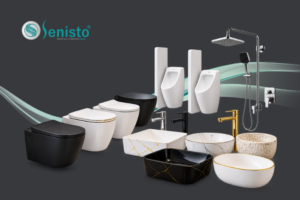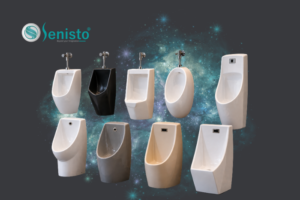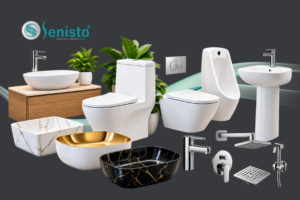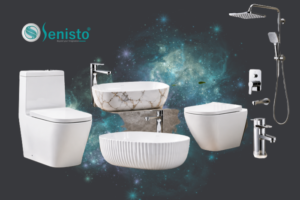
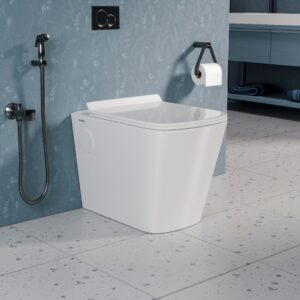
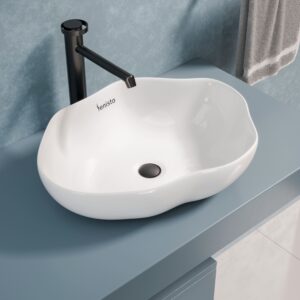
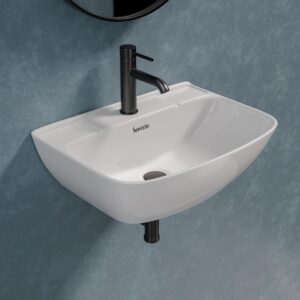
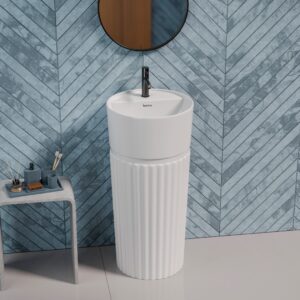
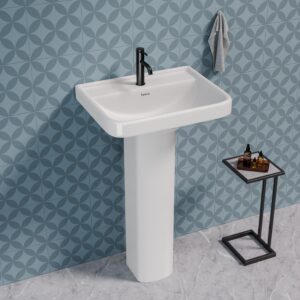
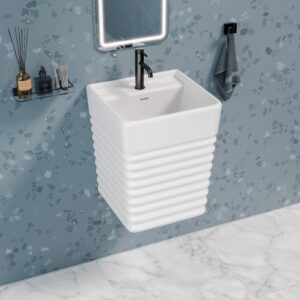
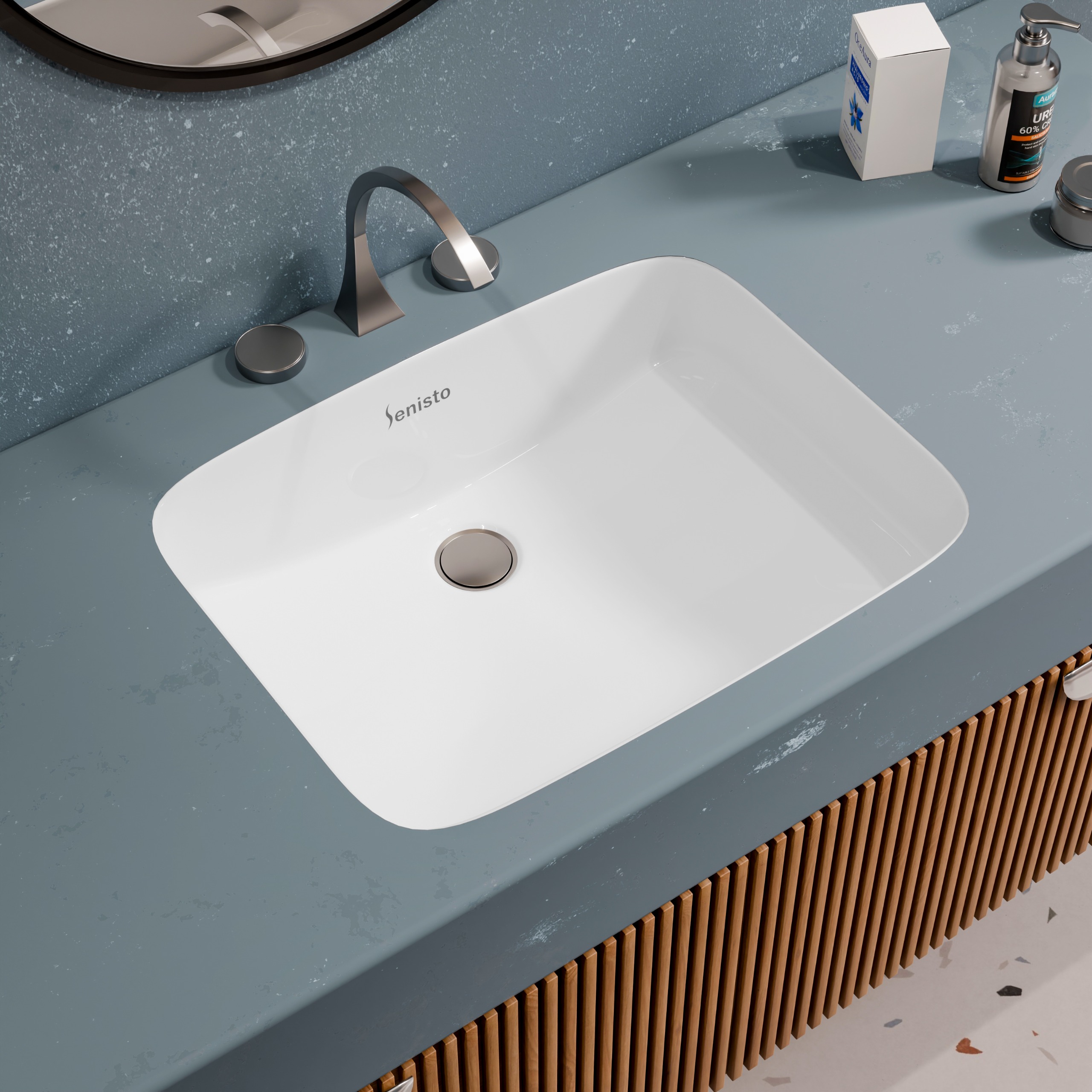
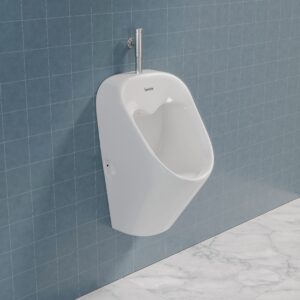
Toilets have shed their utilitarian connotations. These are now used as places of comfort, personal expression, and efficient daily living for homeowners, architects, and interior designers. This transition is also impacting sanitary designs, which now need to be both functional and attractive, in addition to being easy to maintain and durable. Manufacturers no longer have to guess at appearance; they have to know how people use bathrooms and how expectations change with their lifestyles.
From Functional Fixtures to Interior Elements
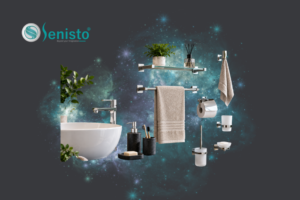
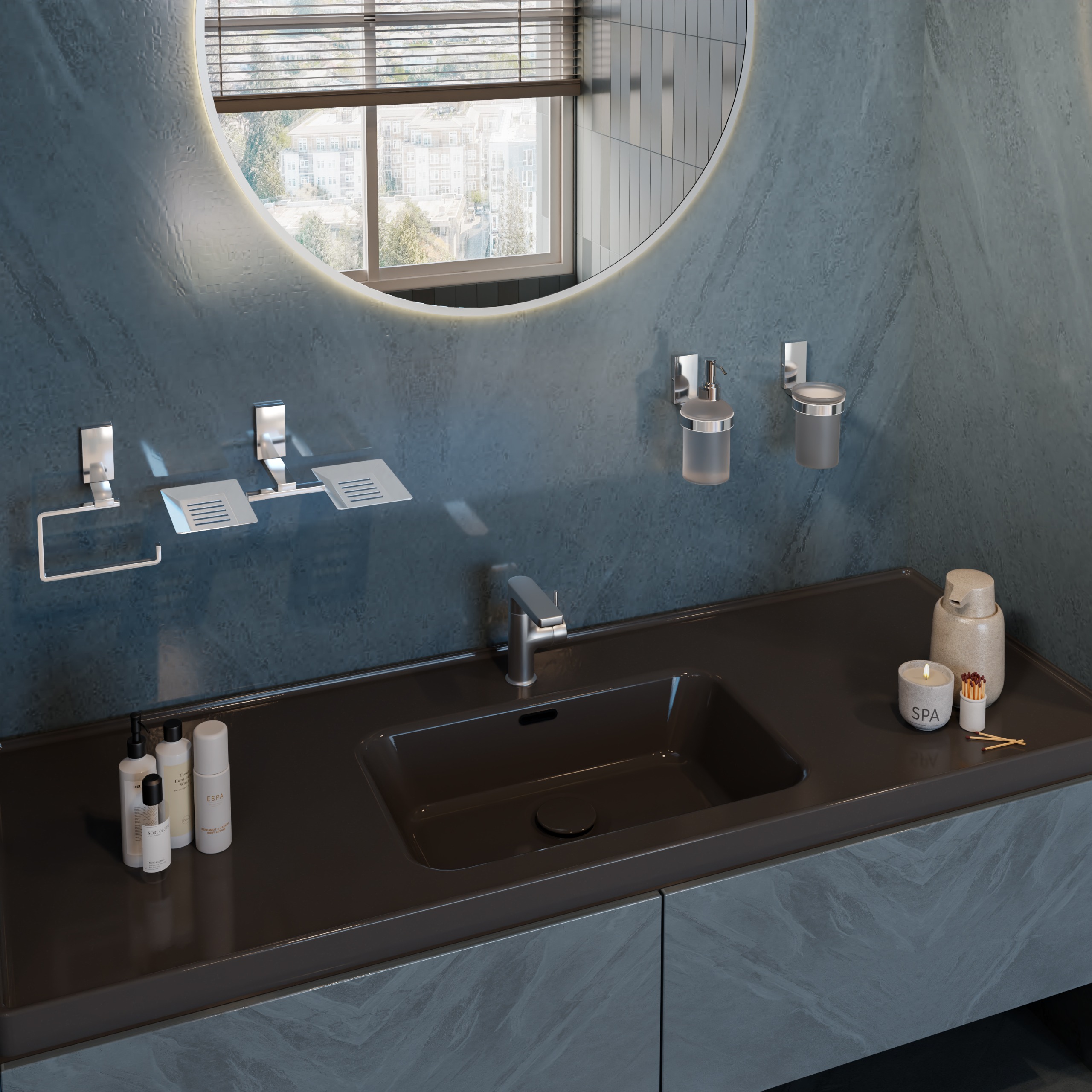
The traditional selection of sanitaryware was based mainly on its functional use, sizes, and cost. While these factors are still relevant, modern interiors are more focused on creating a sense of visual uniformity. Tiles and lighting, cabinetry and architectural finishes are expected to be complemented by basins, toilets and other bathroom fixtures.
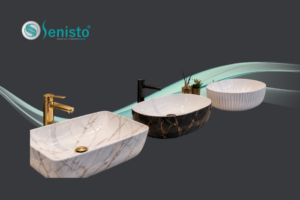
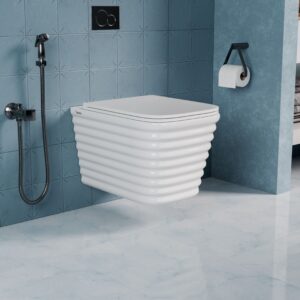
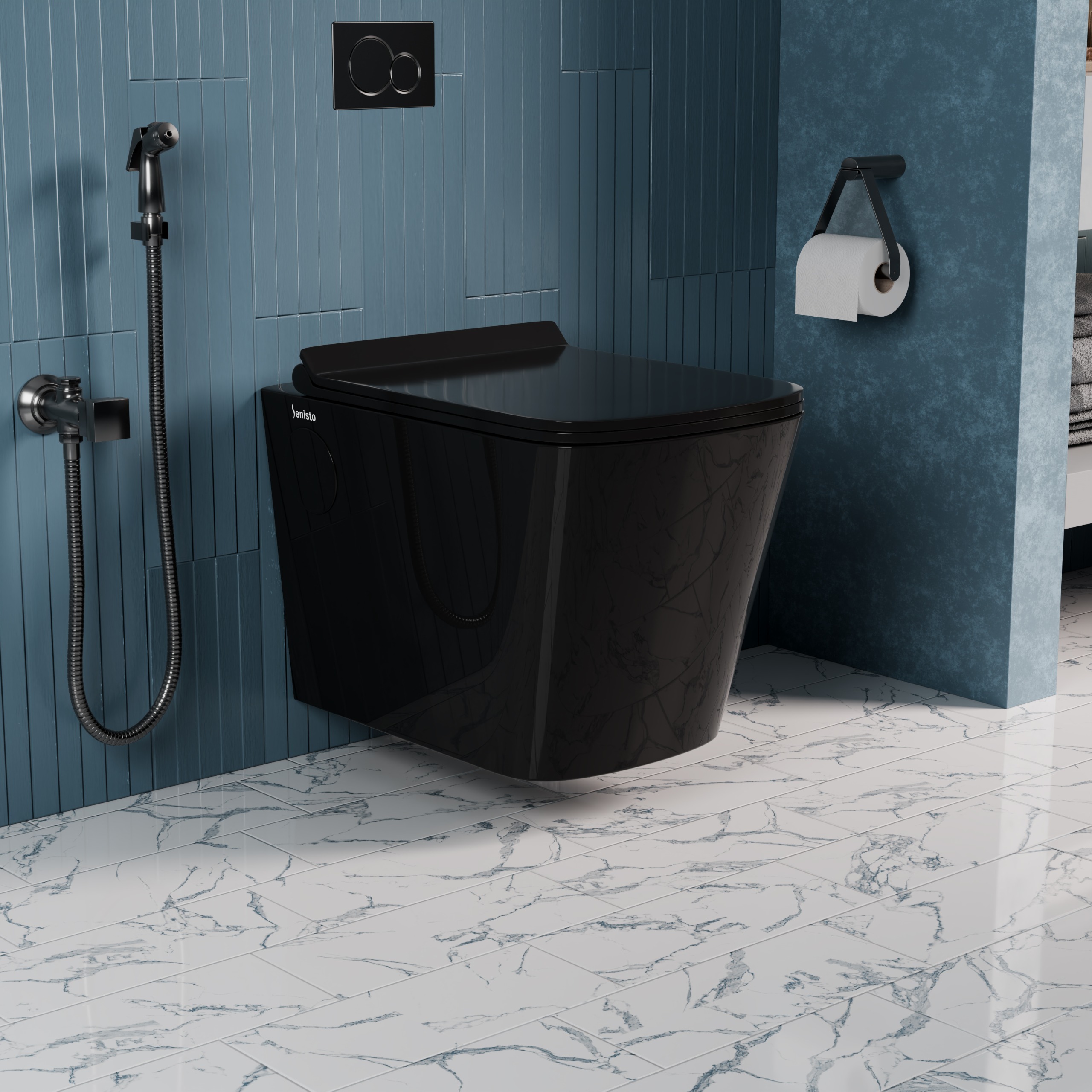
This has transformed the role of sanitaryware in interior design. A wash basin can be a visual focus, whereas a wall-hung toilet can contribute to a cleaner, more streamlined look. The fixture is no longer regarded as anything other than a part of the room. Its shape fits into the overall design language.
For manufacturers, it means that they have to create products that fit the functions and grasp the proportions, finishes, and current architecture.
Personalisation Is Replacing One-Style-Fits-All Design
The contrast in size, layout, and visual form between modern houses is very large. A small bathroom in the city is used in a different way than a large bathroom in a residence or a business setting like a hotel or inn.
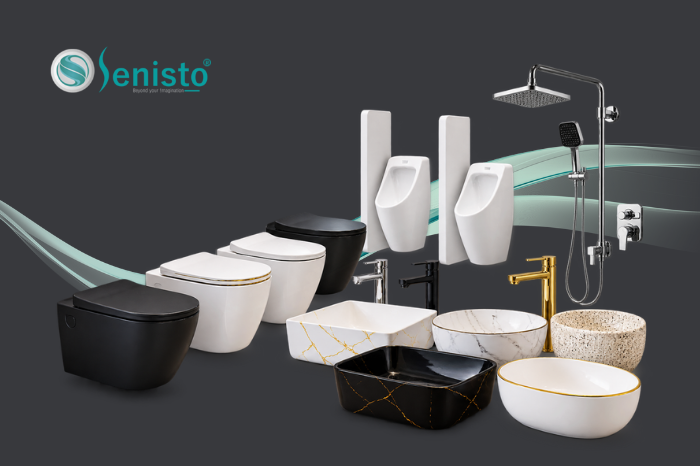
So, consumers are becoming more interested in what can fit their home. Some opt for more minimalist designs and colors, while others go for more out-of-the-ordinary shapes or embellishments. Different design styles will not appeal to all preferences.
This is what allows designer sanitaryware to be more creative and provide more choice without sacrificing user-friendliness. The challenge is to offer significant design options while assuring reliable manufacturing quality.
Space Efficiency Has Become a Design Priority
The efficient use of space has become a priority, especially because of the changes in residential layouts. The size and placement of fixtures in a smaller bathroom may affect the way the space is accessed, stored, and viewed.
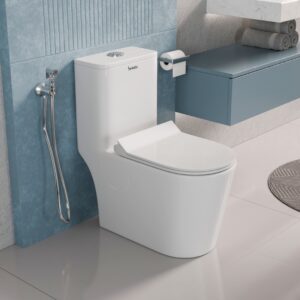
When it is all right, wall-mounted items, small basins and well-scaled fixtures can help to make the room more organised. But a smaller size isn’t a guarantee of a good result. Access to plumbing and everyday use should still be a factor in the decision, along with ergonomics.
When manufacturers design a product, they must view its performance in the context of a finished bathroom configuration, not a single product.
Material Quality Must Support Appearance
A good sanitaryware product is not only attractive, but must also be durable and long-lasting. The ownership experience encompasses surface finish, being able to clean it regularly, and consistency and dimensional accuracy in structure.
This relationship is evident in ceramic manufacturing. The finished product is affected by the forming, drying, firing, and glazing. Even if the design was originally very desirable, there can be inconsistent production when it comes to dimensions or surface quality.
The first thing consumers notice is the shape and colour of the product; however, if it continues to perform as expected, the consumer will be satisfied. Innovation in design needs to be backed by a discipline of manufacturing and suitable quality checks.
Maintenance Is Part of Modern Luxury
Beautiful bathrooms come in a wide range of styles and designs, but if the fixtures are hard to clean or maintain, the bathroom can quickly lose its appeal. This has led to more practical aspects becoming a major factor in choosing products.
Cleaning-friendly surfaces and finishes with simple contours can reduce the effort required in maintenance. Meanwhile, the genuine cleanliness demands are dependent on the material, surface treatment, and application conditions of the product.
As more people are choosing to go for easy-to-care-for interiors, it seems luxury has nothing to do with complexity. To many, it’s about putting in something that looks good and will be useful for many years to come.
Sustainability Influences Design Decisions
The amount of water usage and product lifespan are increasingly important factors in bathroom design. Users, architects, and project developers can consider flushing performance, water saving, product durability, and the resources needed to maintain a fixture.
However, alongside effective performance, the following considerations must be balanced. For example, water efficiency should be measured based on the purpose of use and product standards, not just on the visual appearance.
Responsible resource utilization and durability in the development of products can meet a wider spectrum of expectations from manufacturers. The best sustainable design is when the environmental features and the functional aspects work together.
The Future Depends on Balance
The shift in the market does not indicate that appearance has lost its importance. Rather, it reveals that looks are not all it takes. Consumers will not only want products to fit in their spaces, but to match their interiors as well, and they will expect them to be easy to clean and to perform consistently.
Cooperation between the design and engineering teams, and between production and quality control, is essential for manufacturers to meet these expectations. The knowledge of real installation environments, consumer habits, etc. can be used to make practical product decisions based on the emerging preference.
Final Words
The evolution of expectations driving designer sanitaryware is reflective of a larger shift in bathroom planning and use. There is now high expectation of fixtures to be visually identifiable, to be space efficient, quality of material, low maintenance and using resources responsibly.
The best designs acknowledge the interrelatedness of these qualities. Aesthetics and engineering merge as sanitaryware is transformed from simple functional items into a collection. It then becomes a part of a bathroom that is created to suit the needs of today’s living.